Alpha science classroom:DIY Bio-plastics kids science experiment
Do the kids know? Bio-plastics are a great alternative to traditional plastics, which are often composed of petroleum products. As the year’s pass, we have less and less petroleum available to us, so it is important to find a suitable alternative. Starch plastics are a good alternative, because corn is readily available, and when the plastic is done being used, it can be broken down rather than sent to a landfill. Alpha science classroom will start a kid’s science experiment this day, this is a simple recipe that can be made in any kitchen, with common items often found in the average pantry. It can be a fun experiment for the classroom, as well as at home. The main purpose of this is to garner interest in the subject, so that future scientists will be able to develop more sustainable ways to make plastic products.
Alpha science classroom :What do you need materials for DIY bio-plastics ?
- Stove
- Pan
- Silicone spatula
- 10ml distilled water
- 0.5-1.5g glycerol
- 1.5g cornstarch
- 1ml of white vinegar
- 1-2 drops food coloring
- Adult supervision is recommended.
Alpha science classroom: Step to make DIY bio-plastics
Step one: Children can combine all of the ingredients and stir together. Add all of the ingredients to the saucepan and stir to combine with the spatula. Stir until you get rid of most of the lumps in the mixture. At this stage, the mixture will be a milky white color and quite watery.
If you add the wrong amounts of ingredients, just dispose of the mixture and start again.
Step two: Heat on medium-low. Place the saucepan on the stove and set the heat to medium-low. Stir continuously as the mixture heats. Bring it to a gentle boil. As the mixture heats, it will become more translucent and begin to thicken. remove the mixture from the heat when it becomes clear and thick.
Step Three: Total heating time will be around 10-15 minutes. Lumps may begin to form if the mixture gets overheated. Add one-two drops of food coloring at this stage, if you would like to color the plastic.
Step Four:
Pour the mixture onto foil or parchment paper. Spread the heated mixture onto a piece of foil or parchment paper to let it cool. If children would like to mold the plastic into a shape, it must be done while it is still warm. See the last method for details on molding the plastic.
Remove any bubbles that you see by poking them with a toothpick.
Step five:
Allow the plastic to dry for at least two days. It will take time for the plastic to dry and harden. As it cools, it will begin to dry out. Depending on the thickness of the plastic, it can take longer to dry. If you make one small thick piece it will take longer to dry than a thinner larger piece.
Step six:
Leave the plastic in a cool, dry place for this process. Check the plastic after two days to see if it has fully hardened.
Alpha science classroom: what is bio-plastics?
Bioplastic is a type of plastic that derives from renewable resources, such as starch or cellulose, so it doesn’t derive from petroleum, as standard plastic. This type of plastic has many advantages and is considered the greener alternative to plastic. This plastic is biodegradable, which means that it degrades under some circumstances.
The most common type of bioplastic is PLA or Polylactic Acid which is derived from renewable resources, it is very efficient has it has similar characteristics to standard plastic, so it’s heavy-duty and very resistant, and it can be produced with the equipment that we have already at disposal. It is also relatively cheap to produce and non-toxic, as it mainly derives from renewable resources. This material is also able to withstand very high temperatures, up to 110 °C.
This material is biodegradable, this means that it biodegrades through the action of living organisms, incredibly ti biodegrades between 6 to 12 months, bioplastic must be recycled in appropriate facilities, as high temperatures are needed.
Alpha Science Classroom today is the end of the kid’s science experiment activities, children can according to the method, make their own want to bio-plastic, learn interesting chemistry knowledge, become the most potent environmental protection experts.
MORE:http://www.alphasciencetoys.com
Alpha science classroom: Children's Electrostatic butterfly science experiment
In winter, static electricity is a common phenomenon in our lives. Do the children know what kind of scientific mystery is contained in static electricity?
Today, Alpha Science Classroom uses a simple kids' static electricity experiments with static electricity to inspire kids to think about all kinds of interesting things about electricity.Charge a balloon with this fun static butterfly science experiment that magically causes butterflies' wings to go up and down.
Alpha science classroom Children's Electrostatic butterfly science experiment need Supplies :
- cardboard
- tissue paper
- cardstock paper
- pencil
- scissors
- googly eyes
- balloon
- glue stick
Alpha science classroom Steps of children's Electrostatic butterfly science experiment:
1.First the children cut a piece of cardboard. The cardboard is about 7 inches x 7 inches long.
2. The children draw butterfly wings on tissue paper with pencils. Because the cardboard squares are 7" x 7", the kids just make sure to shrink them to be smaller than the square. Cut them out and place them on the cardboard. Do not stick them on the cardboard!
3. The children cut out a butterfly body from the card paper, then glue it in the middle of the butterfly, and then stack it on the cardboard. Again, don't stick the wings of the tissue paper. Children will want the wings to loosen.
4. Now is the interesting part. blow a balloon. We used the remaining water balloons from this summer, so their size is small, but it is better to use regular-sized balloons.
5. Wipe hair with a balloon to charge. Now, keep the balloon on top of the butterfly, close it but don't touch it, and as you move the balloon closer and closer, observe the rise and fall of the wings.
Little knowledge of alpha science classroom: Why do butterfly wings move?
When we rub the balloon onto our hair, electrons are lost from our hair and are absorbed by the balloon and carry static electricity. When the negatively charged balloon approaches the positively charged tissue paper, they will attract each other, and the attraction is so great that the lightweight tissue paper moves toward the balloon.
Today, the children's static electricity experiment activity of Alpha Science Classroom is over. Is the static electricity butterfly very interesting for the children? Have you understood the scientific knowledge in it?
If you want to learn more about physical science experiments, kids can go to Alpha Science Toys to find the age-appropriate science toys set, explore more interesting science experiments, and become the coolest science wizards.
MORE: www.Alphasciencetoys.com
Alpha science classroom:DIY Electrostatic soda can
In the cold winter, children will find an interesting phenomenon, that is, when wearing sweaters, we always can hear the crackling sound and see the small sparks, that is because there is tiny electrical in our bodies that make us feel, think, and move. Have you ever felt a slight shock when you shook hands with other people? That's because we all have the power to generate static electricity! Today, Alpha Science Classroom is working with children to learn the secrets of electrostatic electricity and help them become the most powerful electricity through a simple children's science experiment.
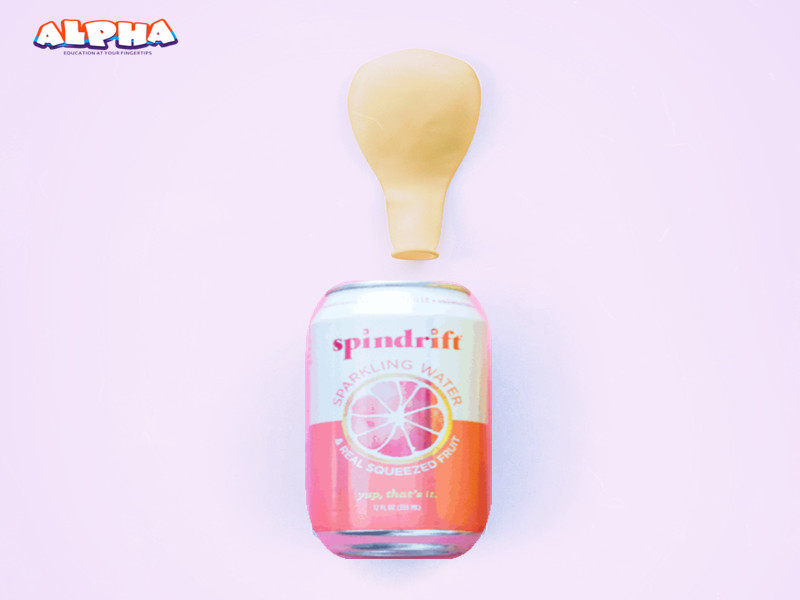
Alpha science classroom:DIY Electrostatic soda can materials
-
Balloon
-
Empty soda can
-
An object made out of wool (such as a sweater, scarf, blanket, or ball of yarn)
-
Stopwatch
Alpha science classroom:How to make a DIY Electrostatic soda can
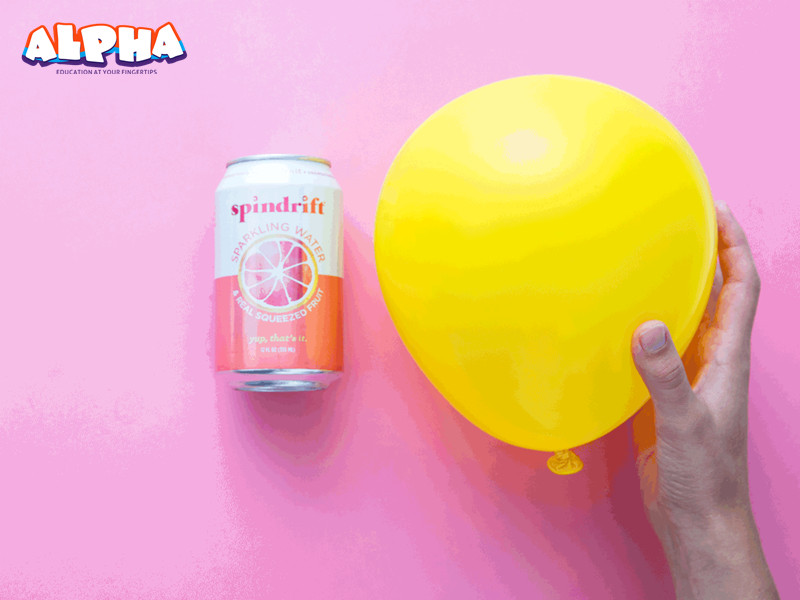
1.Make sure the can is empty and dry, then blow up the balloon.
2.Hold the balloon and rub it with the wool object in one direction at a time. Repeat this step several times, accumulating static electricity on the balloon.
3.Place the sides of the soda cans on a clean table and bring the balloons close to the cans, but don't let them touch.
4.The can will begin to roll to the balloon.
Alpha science classroom: The theory of DIY Electrostatic soda can
When you rub the balloon on your hair, some of the electrons in your hair will jump onto the balloon. This leaves your hair with more protons than electrons, and therefore an overall positive charge. Similarly, the balloon now has too many electrons, and so has a negative charge. These opposite charges attract, which is why we see your hair stand up, trying to get close to the balloon. When we put the charged up balloon near the soft drink can, there are two results.
First, the negative charges on the balloon move as far away from the can as possible: similar charges repel! Secondly, the negative charges on the can move as close to the positive charges on the balloon as they can get, which creating an attractive force that moves the can along the table towards the balloon.
Is the DIY Electrostatic Soda Can of the Alpha Science Classroom very interesting? Children will learn the simple physical science experiment? Is it amazing? To learn more about interesting children's science experiment toy sets, please go to alpha science toys and choose age-appropriate children's physics experiment toys to explore the mysteries of science and become the smartest scientist!
MORE:http://www.alphasciencetoys.com/
Alpha science classroom: DIY science experiment of glow in the dark moon phases
Every night, children can look up into the sky and see the changing shape of the moon. Do children know why the shape of the moon changes? Today, Alpha science classroom is bringing DIY science experiments of glow in the dark moon phases. Children can use simple materials to create a glow in the dark picture of the moon phases. They also can learn about the secrets of the moon.
Alpha science classroom:The materials of glow in the dark moon phases
- White paper plates
- Foam shaving cream
- White glue
- Glow in the dark paint
- Paintbrushes
- Bowl and mixing utensils
Alpha science classroom:The steps of glow in the dark moon phases
1: Children need a mixing bowl, measure and add 1 cup of shaving cream into the mixing bowl.
2: Children can use 1/3 cup, fill almost to the top with glue, leaving room for a tablespoon or so of glow paint, and pour the glue mixture into the shaving cream. Mix together well with a spatula.
3:Children use a paintbrush to paint your homemade glow in the dark puffy paint onto the paper plates. Leave it to dry overnight. You can even leave spots for craters!
4: Children can cut the plates into different Moon phases if desired when they are dry.
5: Children can Place the Moon in the light, and then bring it into a dark room to watch it glow.
Alpha science classroom:What are the phases of the moon?
To start, the phases of the Moon are the different ways the Moon looks from Earth over the course of about a month!
As the moon orbits around the Earth, the half of the moon that faces the sun will be lit up. The different shapes of the lit up portion of the moon that can be seen from the Earth are known as the phases of the Moon.
Each phase repeats itself every 29.5 days. There are 8 phases that the moon goes through.
HERE ARE THE MOON PHASES (IN ORDER)
NEW MOON: A new moon cannot be seen because we are looking at the sunlit half of the Moon.
WAXING CRESCENT: This is when the Moon looks like a crescent and gets bigger in size from one day to the next.
FIRST QUARTER: Half of the lit portion of the Moon is visible.
WAXING GIBBOUS: This occurs when more than half of the lit portion of the Moon can be seen. It gets bigger in size day by day.
FULL MOON: The entire lit portion of the moon can be seen!
WANING GIBBOUS: This occurs when more than half of the lit portion of the Moon can be seen but it gets smaller in size day by day.
LAST QUARTER: Half of the lit portion of the Moon is visible.
WANING CRESCENT: This is when the Moon looks like a crescent and gets smaller in size from one day to the next.
Now, Alpha science classroom has finished the science experiment of glow in the dark moon phases. The children also made various phases of the moon and learned a lot about the moon. Alpha science toys have science kit about the moon and other glow in the dark science kit. Parents can choose the right science experiment kit for their children so that children can learn the knowledge in science experiment toys easily, and become happy little geniuses.
MORE:http://www.alphasciencetoys.com/
Alpha science classroom: freezing bubbles in Winter
Alpha science classroom: freezing bubbles in Winter
Children’s favorite is blowing bubbles, in different seasons, children blowing bubbles indoors and outdoors, children most want to have a non-breakable multicolored bubble, flying in the sky. Today, Alpha science classroom makes bubbles together with the children, together to observe whether the bubbles will freeze outside to prolong the existence of indoor bubbles. freezing bubbles is cool, but not so easy! So how do children freezing bubbles in winter? Let’s do this interesting kids’ science experiment and witness the magic of science!
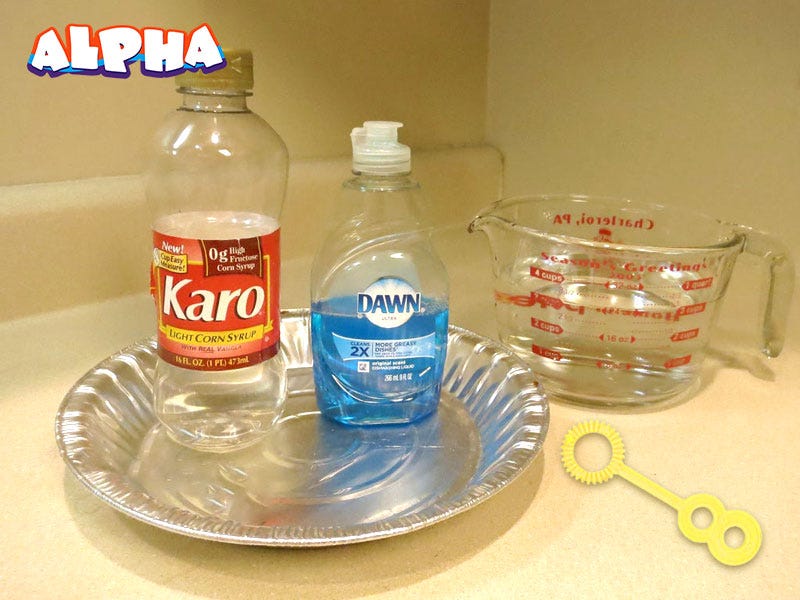
Alpha science classroom: formula for freezing bubbles
- 1 cup of warm water
- 2 tablespoons corn syrup
- 4 tablespoons detergent
- 1 bubble stick
- 1 mixing bowl
Alpha science classroom: How to make freezing bubbles
Step 1: children add all ingredients to the mixing bowl and mix together, stir slowly, wait 30 minutes, the syrup takes a while to fully fuse, and then mix all ingredients evenly.
Step 2: children first try to blow two bubbles indoors to see the quality of the bubble solution.
Step 3: children wear clothes, blow a bubble outside the cold, wait for the bubble to freeze, and observe its changes.
Finally, the children are successful, you will see the frozen bubble has changed, this simple kids science experiment is very cool. Instead of the very transparent sparkling of the indoor bubbles, they became a bit cloudy {as he called them}. You could tell the bubbles were freezing and forming a shell. This was definitely evident when the freezing bubbles popped and left behind partially frozen pieces of the bubble!
A bubble is a super thin layer of soapy water and inside it is filled with air.
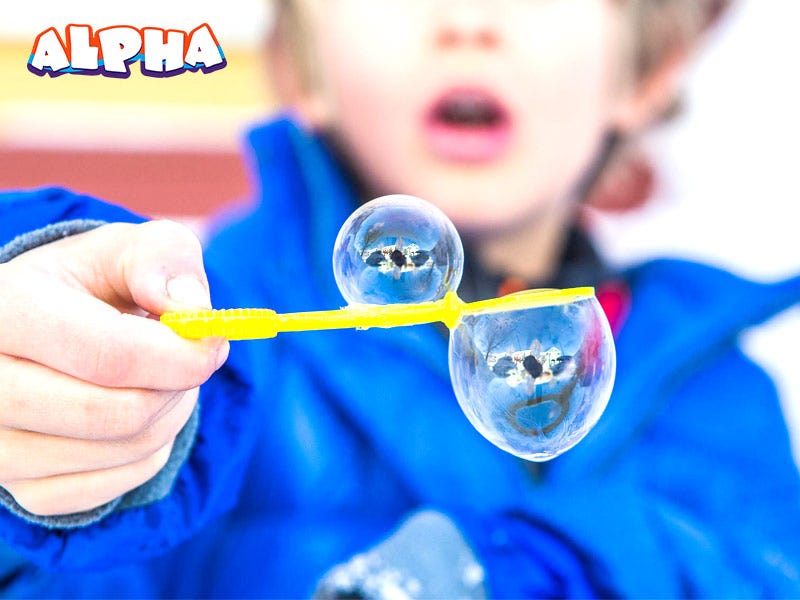
The film that makes the bubble has three layers. A thin layer of water is sandwiched between two layers of soap molecules. Each soap molecule is oriented so that it’s polar (hydrophilic) head faces the water, while its hydrophobic hydrocarbon tail extends away from the water layer.
That means that whatever shape a bubble has when it is first formed, it will try to become a sphere. That’s because a sphere is a shape that has the least surface area and requires the least energy to achieve.
Alpha science classroom:How do bubbles form?
Alpha science classroom told the children that the bubble is a super thin layer of soapy water and inside it is filled with air. The film that makes the bubble has three layers. A thin layer of water is sandwiched between two layers of soap molecules. Each soap molecule is oriented so that it’s polar (hydrophilic) head faces the water, while its hydrophobic hydrocarbon tail extends away from the water layer. That means that whatever shape a bubble has when it is first formed, it will try to become a. That’s because a sphere is a shape that has the least surface area and requires the least energy to achieve.
Alpha science classroom wants to tell children that this is simple scientific knowledge, children can also through their own imagination, find more science projects about bubbles, to observe the magic in bubbles. Children can also choose the alpha science toys bubble science toy suit, to explore more about the bubble mystery, become the most powerful bubble show talent, still waiting for what, come together to create more bubbles!
MORE:https://www.alphasciencetoys.com/
Alpha science classroom:Science Experiment Of Egg Drop for Children - Alpha Manufacturing Ltd
How can children lack the company of children's science experiments during the Christmas holidays? The Magic Egg Drop Science Experiment Challenge is one of the children's favorite STEM activities. Children need to create a magical device to protect their eggs. And that's what your imagination can use. Alpha Science Classroom team takes on this STEM challenge to unlock the hidden physics science experiment principles behind it with children together. The Egg Drop Challenge is so cool, what are you waiting for!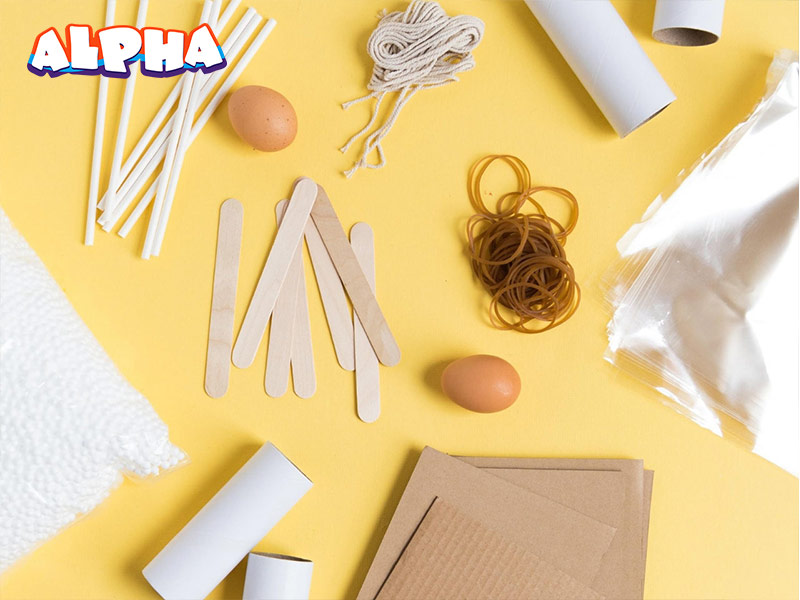
Alpha science classroom:What you need to get to do the Egg Drop Experiment
Paper straws
Packing peanuts
Rubber bands
String
Plastic sheets
Alpha science classroom:Steps of Egg Drop Challenge Science Experiment
1.Children need equipment to assemble the eggs to protect them from being broken when they fall from high altitude.
2.Children Use plastic paper to wrap an egg, the egg must be wrapped safely, so as to avoid falling during the experiment.
3.Children Make a triangle using paper straws, then tied with a rubber band between the paper straws to allow the egg drop device to fully contain the egg. This will make the egg drop challenge even better.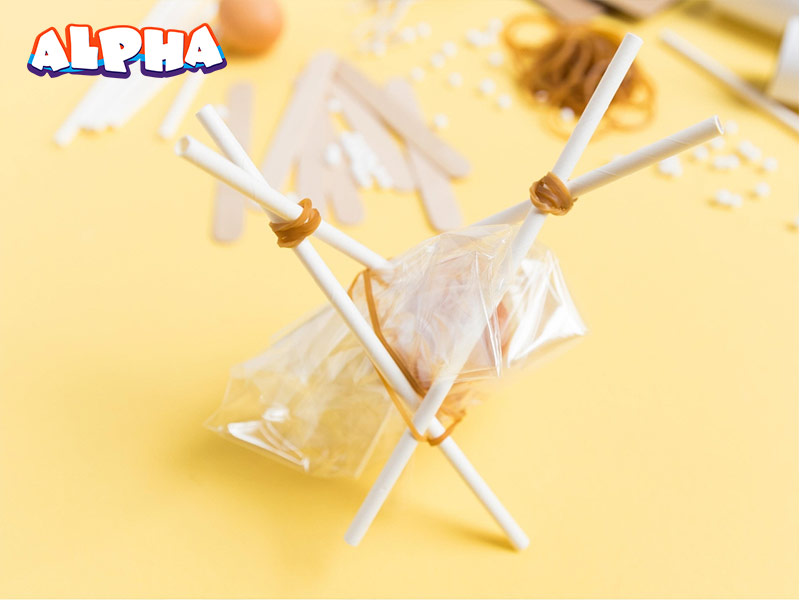
4.Children Check your equipment carefully, bring your egg equipment outside, and lower it from a balcony or other height of at least a few yards.
5.Find out if your egg has cracked or landed safely, find more materials, use your imagination to make more egg drop devices, and embark on this amazing STEM challenge!
Alpha science classroom:Science Behind of Egg Drop Science Experiment
Gravity is a force of attraction — it pulls on a mass, which is how much “stuff” something is made of. Earth’s gravity pulls on you and keeps you on the ground;
The Egg hitting the ground is a collision between the Earth and the Egg. When collisions occur, two properties of the colliding bodies are changed and/or transferred: their Energy and Momentum. This change and transfer are mediated by one or many forces. If the force is too strong, it can cause the shell of the egg to crack and break.
Today’s Egg Drop experiment in the Alpha science classroom has been finished, Do the children understand the physical science experiments? Children can also expand on more ways to make egg drops, or check out more STEM activities to fill your Christmas vacation. Or head to Alpha Science Toys for an age-appropriate physical science kit to explore more interesting scientific mysteries.
MORE:https://www.alphasciencetoys.com/
Alpha science classroom: Making a straw flute
Music can bring us joy. How can children spend their holidays without music? Sound travels are very magical for children. Today, Alpha Science Classroom makes a simple straw flute instrument together with the children to explore interesting knowledge of physical science and spend a special Christmas holiday through simple physical science experiment activities.
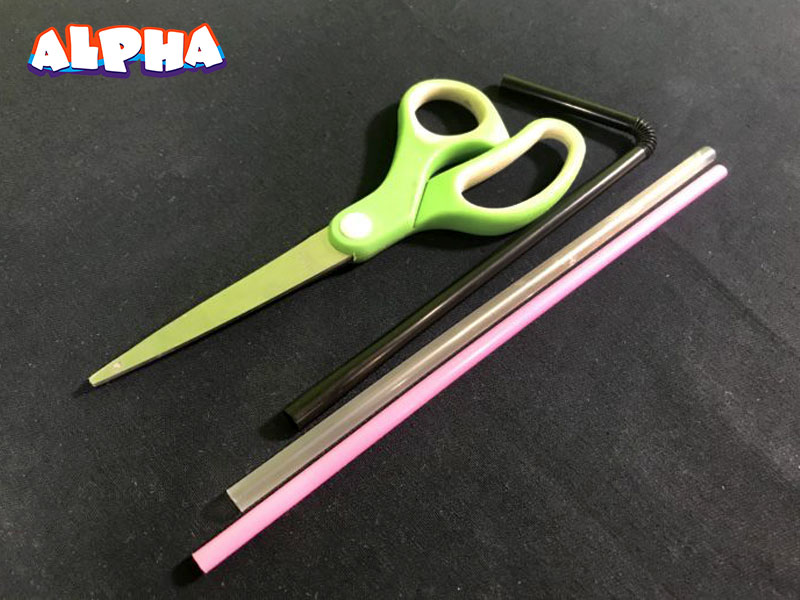
Alpha science classroom: What you need to make a straw flute
- Two plastic straws of different diameters
- Scissors
- Adult help
Alpha science classroom: How to make a straw flute
First, children need to cut one end of the straw to a point. Start by squeezing one end together with their fingers, and then cutting two angular cuts to get a triangle. After children do this, they can blow it right now! Thew sound will come from between the triangle and children’s teeth, clamping down a bit, and blowing to make the triangular tip vibrate. It takes a minute to get right, but once they do, they are successful!
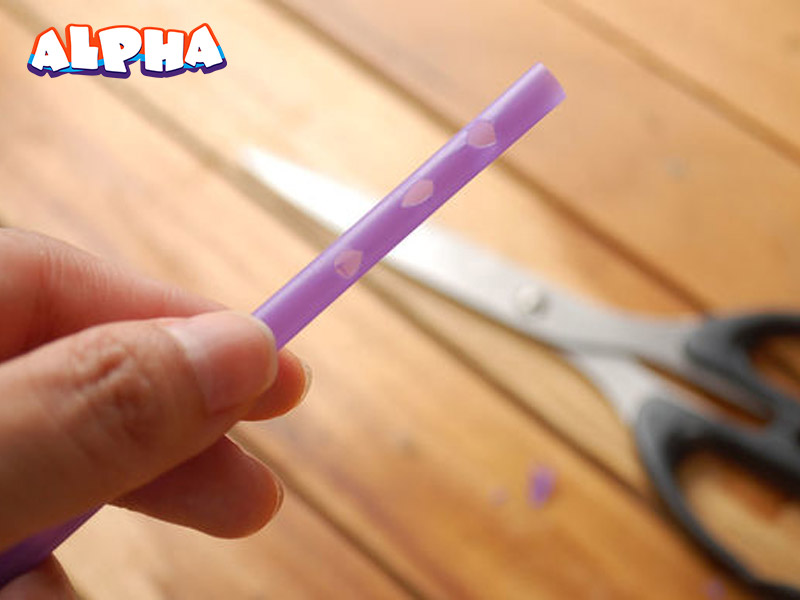
Second, let's give the straw flute some range! Add flute holes by bending the straw and cutting small triangular notches. When children unfold it, they'll reveal a diamond-shaped flute hole. Children can add a couple, and cover or uncover them with their fingers to get different tones. Each tone will depend on where children place them.
Third, congratulations! When children complete the straw flute, they can do all sorts of modifications so let their parents see what they make! This physical science experiment is fun for children. Try cutting the straw to different lengths to see what happens to pitch. Children can also try calculating where the holes should go to make full chromatic scales.
Alpha science classroom: Simple science behind the flute
Why is that? Alpha science toys tell children it’s a simple experiment on vibrations! To keep it simple, the shorter the instrument the higher the sound. Why? Inside your straw, there is a sound wave in a particular arrangement called a “standing wave.” As you shorten the straw you shorten the standing wave within it, increasing the number of times the wave vibrates per second changing its pitch. The sound wave itself is made up of two regions, one region with a higher density of air molecules and another with a lower density. These two regions are called the “nodes” and “anti-nodes” respectively. What do you think will happen if you increased the length of the straw? The pitch will be lowered, as you lengthen the standing wave and reduce the number of times the wave vibrates per second. Do the children understand?
Today, the music science experiment activity of the Alpha Science classroom is finished. The simple physics science experiment knowledge was used to show the sound principle of playing Musical Instruments for children so that children could learn the knowledge of physical science in a happy atmosphere. Children can learn different music science activities and make different simple instruments in Alpha Science Classroom to show your parents your musical talents with a small concert at a Christmas party.
If children want to learn science knowledge and to be a great scientist, welcome to Alpha science toys to choose more physical science experiments and music science experiments kits that meet their ages.
MORE:https://www.alphasciencetoys.com/
Alpha science classroom: Water balloons science experiment for children
Alpha science toys know that Kids love playing with water, It is exciting for children to learn interesting physical science experiment knowledge from water density science experiments. because many great Scientific findings are from small science experiments. This Alpha science classroom will show kids the varying density of water, oil, and dish soap suspended in cups of water. Children will have a lot of fun exploring density in this fun hands-on science experiments project. Help children learn the secrets of the simple physical sciences and beat the boredom of their Christmas holidays.
Alpha science classroom: Water balloons science experiment for kids material requested
The idea of this density science project is to explore what liquids float, and which ones sink, by filling water balloons with different liquids.
- 60mL Syringe
- 3 Balloons
- Dish soap
- Water
- Oil
- 3 Plastic cups
- Permanent marker
Alpha Science Classroom: Water Balloon Science Experiment for kids Steps
Step 1: Write the words “Water,” “Oil,” and “Soap” onto the three cups so the kids can tell which balloon goes in which cup.
Step 2: To fill the balloons we used a 60 mL catheter syringe and it worked beautifully! One syringe full made a nice egg-sized water balloon.
Step 3: Fill one balloon with 1/2 a cup of water, one with 1/2 a cup of vegetable oil, and one with 1/2 a cup of dish soap. Be careful not to get too much air into the water balloon or the dish soap balloon or they won’t sink properly and the experiment won’t have the right results.
Step 4: Fill each cup with water. Show the balloons to the kids and tell them what each is filled with. Let them think about whether the balloons will rise or sink when placed in the water. Have them filled out their hypothesis in this printable and record their results along the way.
Step5:Drop the balloons into the water one at a time. Watch the kids react and ask them if their hypothesis was correct or incorrect and have them record that data on their sheet.
Finally, ,Children put all the balloons in the water, discuss density, and how objects with different densities react in water. Have the kids think of other things that float in water and other things that sink in water. And why does the stuff that sinks into the water work so well
Alpha science classroom: Water balloon children's physical science experiment principles
This simple experiment ties into density. Water, dish soap, and oil all have different densities, which will determine if they sink or float. Oil is less dense than water, dish soap is denser, and water will have the same density as the surrounding water
Alpha Science Classroom water density science experiment is over. Did the children learn the knowledge? It is very interesting to discover the state of different liquids in water. In fact, this physical science experiment can be extended to a lot of content. Children can try to test the state of different liquids like milk and orange juice in water, and explore more about water density and physical science knowledge
If children want to explore more knowledge of physical science, alpha Science Toys will satisfy their curiosity, cultivate their spirit of scientific exploration, and help them become the greatest physicists of all time. What are we waiting for? come on!
MORE:https://www.alphasciencetoys.com/
ALPHA SCIENCE CLASSROOM:HOW TO DIY A SIMPLE COMPASS
The compass is one of the greatest inventions of human beings. It has brought a lot of help to human beings. So how much do children know about the principle of the compass? Today, Alpha Science Classroom continues its Christmas break with kids for a fun-filled science experiment for kids, made a simple compass, and discovering the magic of the physical sciences is a great way to inspire children and teach them perseverance and imagination.
Alpha Science Classroom: Materials needed for DIY compass
- Sewing Needle (go with fairly large sewing needles so it is easy for little hands to hold them)
- Magnets (the stronger the better)
- Cork (other options may work if you don’t have a cork,)
- A medium to large-sized bowl
- Water
- Pliers
Alpha Science Classroom Tip: Do not do this activity with any children who put things in their mouths. Swallowing magnets is extremely dangerous. Needle tip. Make sure you have proper adult supervision and your child is old enough to be safe.
Alpha Science Classroom: DIY Compass Method
Step 1: Kids Hold the needle, and take your magnet, and stroke it down the length of your needle 50 times. If you are using a weaker magnet you may need to do this more than 50 times. But for most good quality magnets 50 should be about right.
Step 2: Magnetize the other end with the reverse
Now, this is very important, take note of which side of the magnet you were using. Flip the needle around so you are holding the other end, and flip over the magnet so you are using the other side of the magnet. Now repeat on the non-magnetized end of the needle.
Step 3: Prepare the cork
Cut a cork so it is about 1 to 2 cm thick.
Step 4: Insert the needle
Carefully push the needle through the cork. This is best done by an adult with a pair of pliers. I found it easiest if I used a thumbtack to start the hole, then pushed the needle through. You want the cork to be centered on the needle.
Step 5: Fill a bowl with water
Set out your bowl and fill it with a few inches of water.
Step 6: Test the compass!
Place your cork and needle in the water and see how it moves. It should align itself so it points North.
Alpha science classroom:How A Homemade Compass Works
Alpha classroom tells kids Magnetism can be seen in action whenever you have two magnets close together. Magnets have a positive and negative side. This causes them to either push against one another or is pulled together. Two positive sides will repeal each other causing the magnets to push apart. But Flip one magnet over so you have a positive and a negative near each other and they will attract each other.
For almost 1000 years people have been using magnetism to help them navigate the globe. Magnetism can help people navigate because the Earth has its own magnetic field. Compasses use a small magnetized bar or needle that points a certain direction (north or south) based on its reaction to Earth’s magnetic field.
When we rubbed the magnet against the sewing needle, it magnetized the needle. This means it becomes a weak, temporary magnet. Because magnets interact with one another, either attracting or repelling, the magnetized needle can interact with the Earth’s magnetic field. We use the bowl of water because Earth’s magnetic field is relatively weak. Allowing it to float freely on the water, allows the magnetized needle to freely react to Earth’s magnetic field, causing it to align North to South. If you watched closely, the same end of the needle should always point to the North.
Pretty cool, eh? No wonder Einstein was so fascinated by these invisible forces!
Well, today is the end of the children's Physical Science experiments in Alpha Science Classroom. Let's explore the mysteries of physical science knowledge together with parents!
Make your own compass and find out the directions of north and south so that children won't get lost while out and about!
MORE:http://www.alphasciencetoys.com
Alpha Science Classroom: DIY Rollback Can Releases the Mysteries of Physics
Winter children like to stay in warm rooms to play, how can there be a lack of interesting science experiment activities for kids? It is the parents' favorite to keep children alive and learn new knowledge. Alpha science classroom hopes to stimulate children's interest in physics through simple physical science experiments and keep them interested in physical science. Actually, alpha science classrooms think physics science experiments can become the activity of children's daily study! Alpha science classroom today's rollback can is a great example of physical science experiments, a classic demonstration of the transfer of energy all wrapped up in one magical DIY toy.
Alpha science classroom:DIY Rollback Can Materials
- Coffee or Oats Can (empty please)
- Thick Rubber Band (choose the thickest ones in a pack like this)
- Large Nut (pick one up at the hardware store for about 50 cents)
- Paper Clips
- Nail Hammer
- Screwdriver
- Tape
- Pencil
- Colored paper & tape for decoration
Alpha science classroom:Steps to DIY Rollback Can
Step One Poke a hole in the center of the coffee can top and bottom using a hammer and nail.
Then enlarge the hole by tapping a screwdriver through the hole with a hammer.
Step Two Three Tape your rubber band to the top of the large nut. Make sure it is very secure.
Then open up a small paper clip and thread it through one loop of the rubber band. This will be your “needle”
Step Three The children from the inside of the can very carefully thread the paper clip with the rubber band attached through the hole in the bottom of the can. There may be sharp edges so be very careful! Slip a large paper clip through the rubber band loop to secure it in place. Remove the paper clip “needle.”
Step Four The children place the paper clip “needle” through the remaining loop of the rubber band and carefully pull it through the hole in the coffee can lid. Place a pencil between the lid and can to temporarily hold everything in place. If the nut has moved closer to one side of the rubber band, move it back so that it hangs on the center of the can when stretched.
Step Five Slip another large paper clip through the rubber band loop to secure it in place. Remove the paper clip “needle” and the pencil. Make sure the lid is securely attached to the can.
Step Six If desired decorate your can with tape and colored paper.
Finally, Take the rollback can and test it! Go test it! On a flat surface gently roll your can away from you. It should roll away, stop, and then roll back!
Alpha science classroom:Physical Science Principle of DIY Rollback Can
Today alpha science toys made a rollback can physics experiment project with kids displays the concept of transfer of energy. One type of energy is called kinetic energy– that is energy in motion. Another type of energy is called potential energy, which is the energy that is stored up and ready to be released. When you roll the can, the kinetic energy of the rolling is transferred to the rubber band, which twists tightly and is prevented from turning along with the can by the offset weight. As the rubber band twists, the energy becomes potential (stored energy). As soon as the can stop, the potential energy stored in the rubber band is released and the can begins to unwind and roll back in the direction from which it came, once again becoming kinetic energy. Do the children understand?
Today’s alpha science classroom is over. The children who work hard to make a rollback can try to test on a plane from different angles, they can accumulate different distances of the rollback can, and then they can understand the concept of energy transfer! Kids can also show off their rollback can at the Christmas event!
Children can also choose suitable children's science experiment toy sets from alpha science toys to carry out more interesting physical science experiment projects and become the next Newton!
MORE:https://www.alphasciencetoys.com/
Alpha science classroom:Homemade water xylophone sound science experiment for kids
Do the children know? There's amazing science in the sound, Kids love things that make sounds. It's all part of the physical sciences. Today Alpha science classroom recommends this water xylophone sound science experiment for kids that is truly a must-do classic science activity for young kids. This Christmas science experiment is simple to set up, it’s kitchen science at it’s finest with plenty of room to explore and be playful with it. Alpha science classroom’s science experiment for kids and STEAM toys are a treat to satisfy curiosity, don't you think?
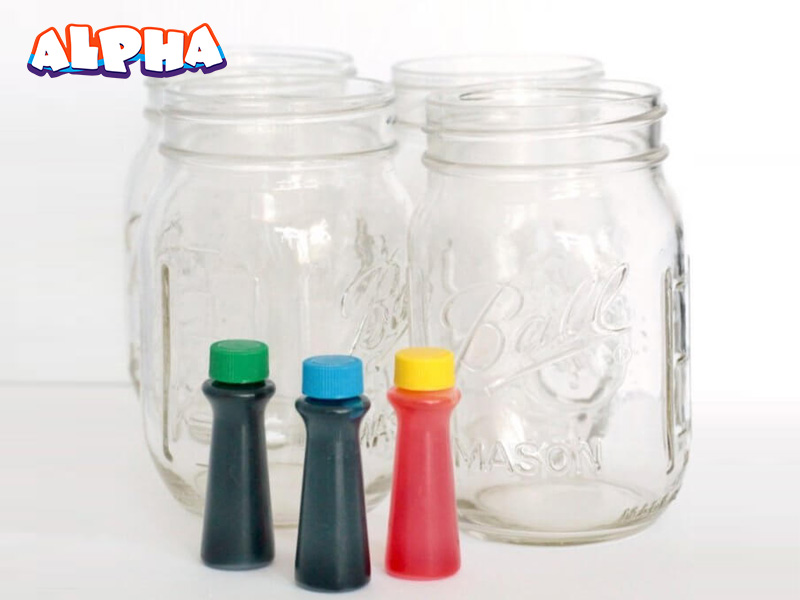
Alpha science classroom: Materials for children's homemade water xylophone
-
Water
-
Food coloring (we used blue, yellow, and green for varying shades of green)
-
Wooden sticks (we used bamboo skewers)
-
4+ mason jars
-
Plastic spoon
-
Wooden spoon
Alpha science classroom: Steps for children's homemade water xylophone
Step 1: First, the children fill the jars with different levels of water. Children can eyeball the amounts or grab the measuring cups and we line them up. In the first glass we measured 1 3/4 cups of water, then 1 1/2 cups of water in the second glass, 1 1/4 cups of water in the third glass, and so on. We decreased the amount of water by 1/4 cup in each glass, leaving the last glass empty.
Step 2: Children can observe that more water equals lower sound or pitch and less water equals a higher sound or pitch.
Step 3: Children can then add food coloring to make different colors for each note. We made our jars red, orange, yellow, green, blue, and purple. When we finished, we had a rainbow water glass xylophone!
Step 4: Children beat the glass jar with plastic spoons. They were amazed to hear that each glass sounded different!
Children can take turns using different tools to tap the glasses with. Wooden, metal, and plastic spoons were some of their favorite tools to use as mallets.
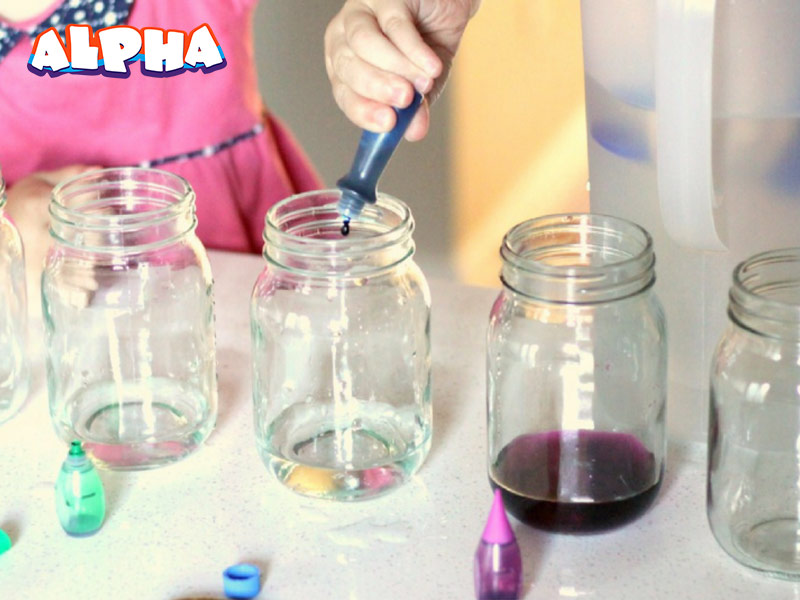
Finally: Alpha Science Toys remind children to make sure to tap the empty jars first to get an idea of the starting sound! Have them predict what will happen when they add water. When you tap the empty jars or glasses, they all made the same sound. Adding different amounts of water changes the noise, sound, or pitch. The children loved trying to figure out how to play simple melodies like “Happy Birthday”
Alpha science classroom:The principles of water xylophone science experiment
When a mallet taps the glass, the water inside the glass vibrates. The pitch of the sound depends on the speed of the vibrations. Since the glass with the most water slows down the vibrations the most, it produces a lower-pitched sound. The glass with no water in it produces the highest pitched sound because the sound waves can move quickly through the air into our ears.
Sound is simply vibrations that move through a medium that our brains interpret into noise we hear. When a glass is tapped with a spoon the vibrations travel from the glass to the water, then through the air to our ears. It all happens so quickly!
Today, the Alpha science classroom Christmas Experiment was completed. The water xylophone activity combines the principles of science, mathematics, design, music, and engineering, which is required by every family and classroom. The children can begin to practice their own water xylophone music, play a piece of music for the family at the Christmas party, and then explain the water xylophone music science experiment for kids knowledge for everyone, let everyone cheer for the little musician! Or parents can choose a sound science toy set for their children at Alpha Science Toys, allowing them to explore more sound science knowledge and become the best musicians.
MORE:www.Alphasciencetoys.com
Alpha science classroom: The magical color pen Chromatography
What secrets are hidden in the colors of the rainbow, do children want to know the answers? Alpha science classroom and children use color markers to carry out simple color science experiments for kids and uncover the magic of color spectrum together.
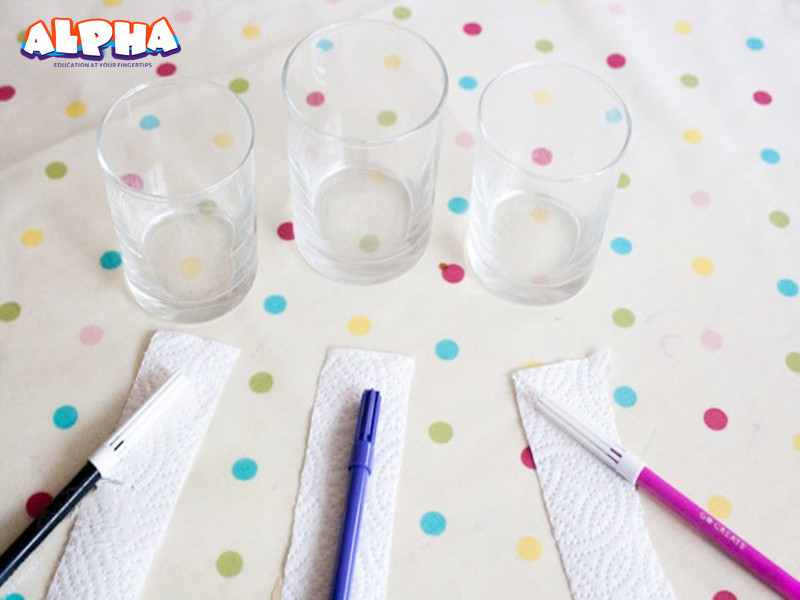
Alpha Science Classroom: Materials needed for the magic color Pen chromatography:
- A cup of water
- Felt-tip pens of different colors
- White paper towel
- scissors
Alpha science classroom: Color Pen chromatography production step
The first step: the children cut a white towel with scissors. When using scissors, be sure to pay attention to safety.
Step 2: The children use a colored felt-tip pen to draw a line on the paper towel about 1 cm from the bottom of the paper.
Step 3: The children carefully put the paper strip into the water so that only the edge of the paper touches the water surface. Due to the capillary action of the paper, water will quickly rise through the paper.
Step 4: Once the water reaches the ink line, lift the paper tape from the water surface. You will notice that as water flows out of the ink line, the ink rises. If you look closely, you may find some colors that you have never seen before!
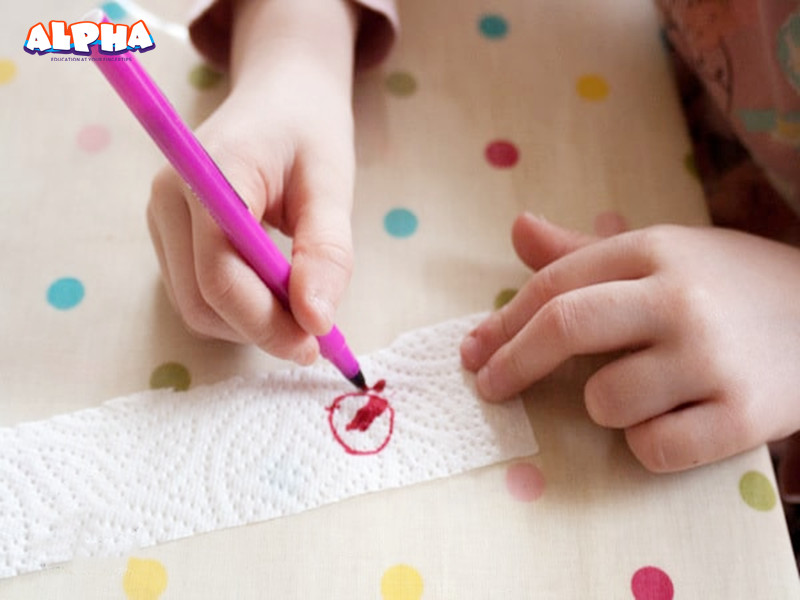
Step 5: The longer the children are doing chromatographic science experiments, the more times the colors are distributed on the paper.
Step 6: Kids try other felt-tip pens for chromatography! Purple, orange, and black inks often have hidden colors... Which other color ink also has hidden colors?
Alpha science classroom: the scientific principles of chromatography
Alpha science toys tell children that chromatography is used to separate chemical mixtures. If you want to separate colored compounds such as inks, dyes, or food coloring, you can easily see the results with the naked eye. You can also separate uncolored compounds, such as amino acids or sugars, and then use staining techniques to detect the results.
As the solvent moves on the paper, it absorbs the mixture. The different components of the mixture will move at different rates according to their affinity for the solvent, that is, whether they are hydrophobic (hydrophobic) or hydrophilic (hydrophobic). Due to the chemical nature of the dye, changing the solvent (for example, using methylated alcohol) can produce significantly different results. Please try to mark with permanent ink!
The water moves upward by capillary action. Water is sticky, so we have to deal with adhesion (water sticks to paper) and cohesion (water sticks to paper).
Alpha science classroom today’s color kid’s science experiment is completed. Children who want to learn more about the mysteries of color can go to alpha science toys to choose different kid’s science experiment toys and use simple scientific experiments to learn the most amazing scientific knowledge. Mystery, become the most powerful scientific expert in joy.
MORE:https://www.alphasciencetoys.com/
Alpha science classroom: how to do DIY Glitter Slime
Alpha is aimed to make science magical and interesting. At these special moments, children can use simple science experiments to learn scientific knowledge in different fields at home, which is the best extracurricular tutoring. Slime toys have always been one of the favorite sensory toys for children around the world. They are very charming, just like jelly. Today Alpha science classroom makes science interesting. DIY Glitter Slime is an interesting way to make a science experiments for kids popular. Today, Alpha science toys teach children how to make the glitter slime, which is an excellent science experiment, the purpose is to show how the polymer works.
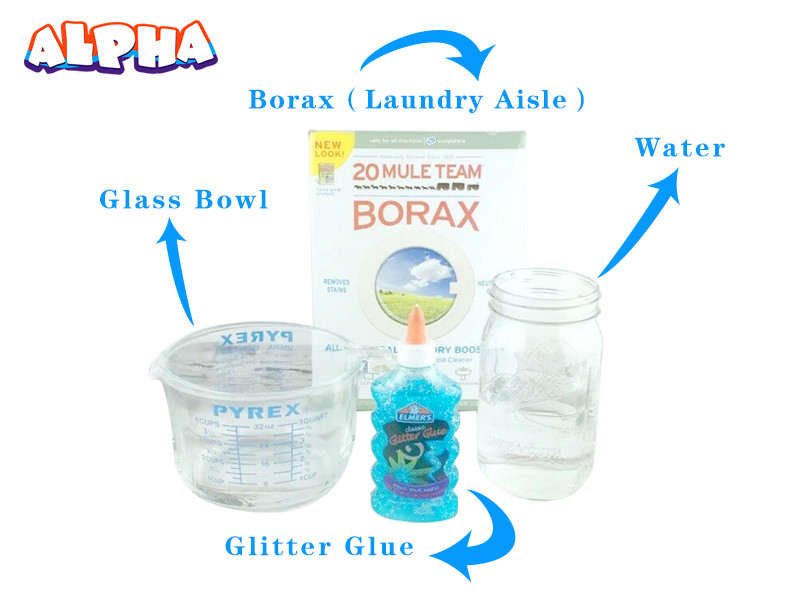
Alpha science classroom:DIY Glitter Slime material
1. Borax(You can find it in the local laundry)
2. Blue glitter glue
3. Glass measuring cup
4. Water
5. Stir Stick
Alpha science classroom:How to make glitter slime toys
Step 1: Pour the blue glitter glue into the glass measuring cup. It is very easy for children to do.
Step 2: After running out of the glue, pour some water into the bottle, shake the bottle vigorously, and pour the remaining glue into the glass measuring cup. Don’t waste the glue.
Step 3: Use the stir stick to stir slowly the glue in the measuring cup evenly
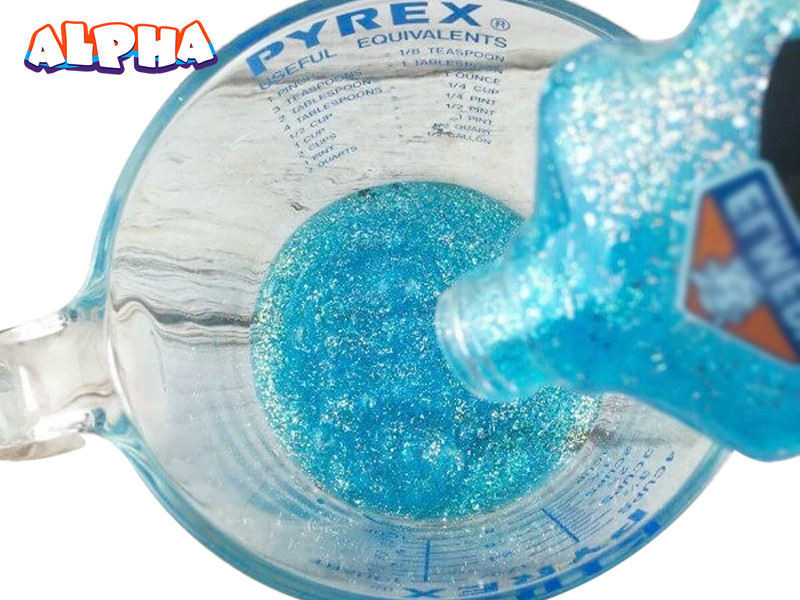
Step 4: After that, mix 1 teaspoon of borax into 1/2 cup of warm water. (When measuring and mixing borax, please be careful, parents can help their children to complete.)
Step 5: Mix slowly the glue and borax water evenly, remember not to be too fast, this will make the two substances mix unevenly.
Step 6: The children can slowly stir their Glitter Slime and observe the magic phenomenon while stirring. The interesting slime is completed. It’s very cool and ductile.
Alpha science classroom:DIY Glitter Slime's recipe science principles
Today, Alpha science toys conduct science experiments with children to introduce some scientific knowledge of polymer. The polymer is made of long-chain molecules, like a beaded necklace. The glue contains an ingredient called polyvinyl acetate, which is a liquid polymer. Borax helps polymer stick together and form slime. That’s so awesome! Children can also make bouncing balls by stretching slime. That is an interesting science experiment for kids.
In the end, Alpha science classroom hopes that children will conduct more science experiments and learn more interesting scientific knowledge with their parents at home. Children can learn a lot of interesting scientific phenomena in this process. When go to school, kids can share them with their partners and become the smartest "star" in the school. More interesting slime toys, welcome to Alpha science toys, we are waiting for you here.
MORE:https://www.alphasciencetoys.com/
Alpha science classroom:DIY ears to explore the sound mystery
Alpha science classroom knows children are sensitive to the sound. The reason why human beings can hear sound is that our ears help us collect different sounds around us. Do you know why the animals’ ears are different from yours? If your ears are in different shapes, what does it affect your life? Alpha science classroom will DIY different sizes of ears with you and find out the answer through this simple sound science experiment activity.
Alpha science classroom: What you need to have
8.Scissors
9.Tape
10.White glue
11.Stapler and staple
12.Colored paper
13.Straw
14. Pictures printed with animal ears
Alpha science classroom reminds you that before doing your own ears, you can find some fashionable and novel ears online or beautiful ears of an elf. If you need creativity or inspiration, please refer to animal ears. When you do these new ears, please pay attention not to cover the opening of your own ears as you need to collect the sound not block it.
Alpha science classroom: Activity Steps
Step 1: The kids can choose their favorite animals to do the ears, such as a cat’s ears. Choose your favorite colored paper to fold it per a cat’s ear. Staple the connecting part of the paper together and then cover the staple with the tape. It can protect your ears when you wear it. Last glue the ear bottom and tape it again. Note: Not use too much white glue.
Step 2: Repeat step 1 to make two ears in the same size so that you can ensure the sound you get is the same during the activity.
Step 3: Place your made ears aside and wait the white glue is solidified so that your own ears cannot be stained with glue. At last, wear your new ears and listen to the sound around you carefully. Do you find the sound is more clear? The indistinct sound now becomes clear, so is the bird’s sound in your garden.
Alpha science classroom: Notices
The children can listen to more sounds in nature outdoors. Let’s do this interesting activity to explore more sound mystery.
Compare the sound you heard between your own ears and your new ears. What is different? What can you hear when you wear horse ears? How about hound ears? Change these ears with your friends to know how different ears to collect the sound. What are the advantages and disadvantages if change the ear shapes? If you wear two different shapes ears, is the sound you hear different? Look at the animals pictures. Now you may know why the animal ears are different.
Alpha science classroom: Scientific Principle
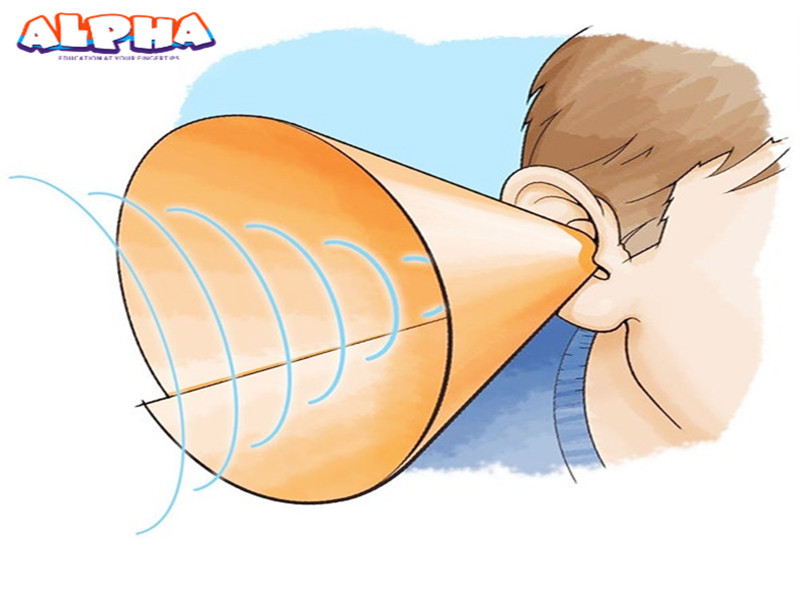
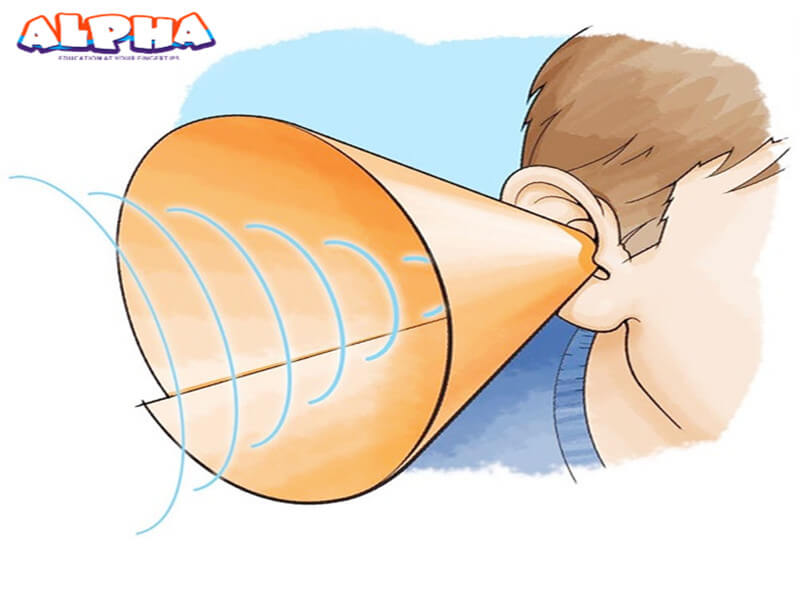
Children will find that in this children's sound science experiment, the best ear to hear the sound is funnel-shaped. It has a large pinna or external earlobe. The human pinna looks like a funnel, as do most animals. It can collect sound and pass it to the inner ear, so our brain can test and analyze the sound we hear. Ears can tell us the way of life of animals. Some animals (such as dogs, elephants, and whales) will hear frequencies that are too high or too low for us to hear. For some owls, one ear is positioned slightly higher than the other ear. In this way, they can determine the position of their prey while flying. Animals with large ears (such as rabbits and foxes) have good hearing or listen far. Large ears not only help animals find their prey and avoid being prey but also release heat through excess surfaces. For animals that do not sweat like humans, their large blood vessels close to the skin will radiate excess body heat. In fact, since African elephants have larger ears than Indian elephants, the shape of the ears can distinguish African elephants from Indian elephants. Now, do you understand? Let's do more ears by ourselves.
Alpha Science Toys tells us that there are many interesting children's toy sets. If you want to learn more about sound science, please visit Alpha Science Toys to find magical sound toys to explore their mysteries.
MORE:https://www.alphasciencetoys.com/
Alpha science classroom: How Skin Protects Human Health
今年,全世界每个人都面临着大自然的挑战,健康成为最受关注的话题。在这种情况下,为孩子们学习简单的生物学很重要。阿尔法科学玩具希望孩子们通过简单的科学实验学习生物医学科学,了解细菌是如何攻击人体健康的。
阿尔法科学课堂告诉孩子们,人的皮肤和黏膜是抵御病毒的第一道防线。这就是为什么在触摸脸之前要先洗手。所以今天孩子们的皮肤 科学实验,孩子们会认真做的。Alpha 科学玩具将与孩子们一起学习皮肤如何抵抗病毒及其功能。
阿尔法科学课堂:活动需要什么
6.2 大小相近的西红柿(柿子、李子或类似的软果)
7.一个盘子或一个托盘
8.牙签
9.放大镜
10.可选:数字标尺和带尺
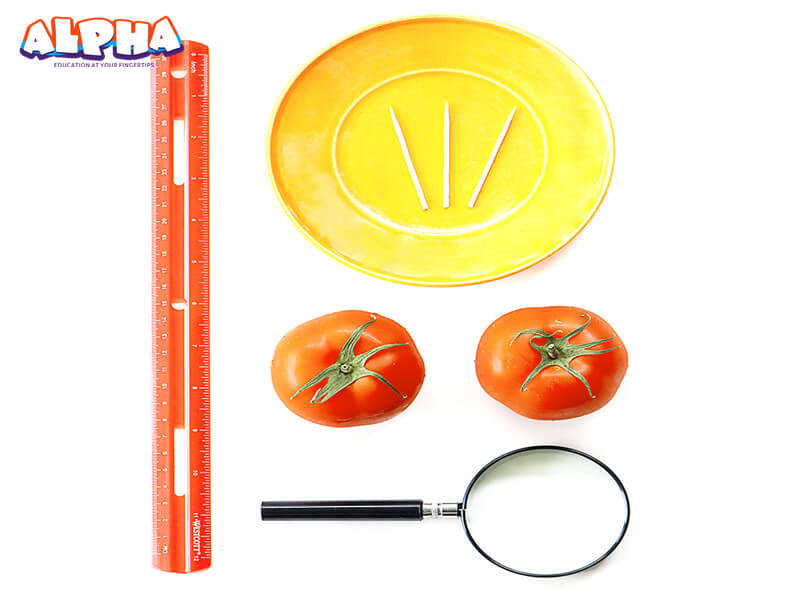
Alpha 科学玩具提醒您在活动后洗手,不要品尝它们,因为它们有细菌。
阿尔法科学课堂:开始吧。
步骤1:将2个西红柿放在盘子上,用牙签在其中一个西红柿上戳六个孔。保持另一个番茄原样,因为您需要一个健康的参考。
第2步:将西红柿放在室温恒定的安全地方,以免打扰。
第 3 步:用卷尺测量这两个西红柿,并用电子秤称重。在此过程中注意不要损坏被刺破的番茄,您可以向父母寻求帮助。
第四步:每天至少观察一次,持续一周,并记录过程。这两种西红柿有什么区别?颜色、气味、质地和形状如何变化?用放大镜观察这两个西红柿的表面,你能看到什么?你能在刺破的番茄上找到哪些细菌?刺破的番茄的大小和颜色是如何随着时间的变化而变化的?
最后,阿尔法 科学玩具 告诉你,这两种西红柿之间存在显着差异。请注意,“受伤”的番茄可能会缩小并失去质量,而且多种真菌和其他微生物可能会在受伤的地方定植。接触受伤的番茄后必须洗手。活动结束后,将西红柿扔到花园里。
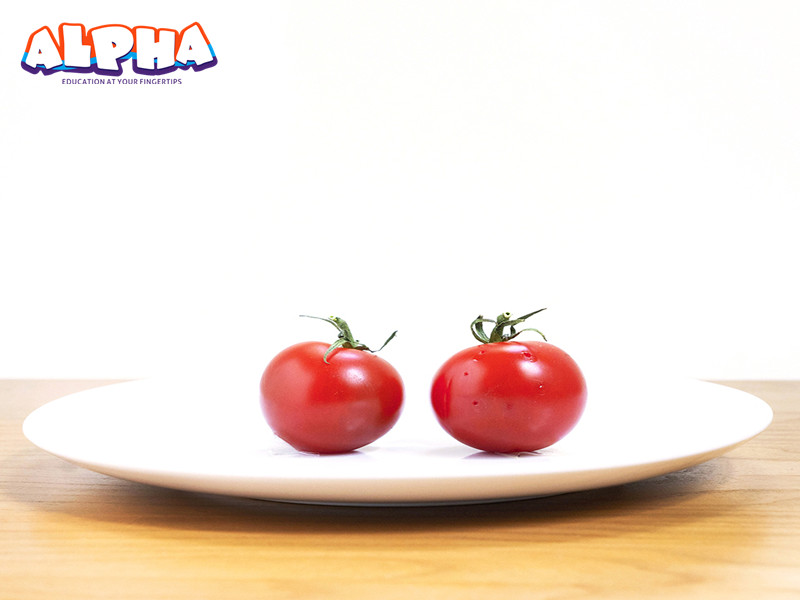
阿尔法科学玩具告诉你,实验证明人皮作为第一道保护线,在击退病原体方面发挥着重要作用。作为受伤的西红柿,皮肤上的伤口会受到影响,病原体。细菌(有时甚至是真菌)可以通过切口进入并留在组织中并引起感染。完整的皮肤是保护您免受感染的主要结构,还要注意不要用受伤的手触摸鼻子和眼睛,因为粘膜也很脆弱。皮肤或表皮的外层形成了大多数病原体无法穿透的物理和化学屏障。(位于人体呼吸道和肠道中的粘膜具有类似的功能。)皮肤细胞紧密结合在一起,富含蛋白质,使其坚韧并能抵抗细菌。
水果的皮也是如此。植物皮肤或角质层含有蜡和其他分子,可以储存水分并防止病原体入侵。当您戳水果时,周围环境中的微生物就会抓住机会入侵并在暴露的组织中定殖。您可能已经观察到,在受伤的果实中存在霉菌、细菌以及各种原生动物和线虫。
即使受到伤害和感染,植物也可以保护自己。它们的细胞产生不同种类的抗菌酶和其他分子。它们可以帮助抑制微观病原体的生长,尽管它们不针对特定病原体。人体还具有非病原体特异性防御机制来处理感染引起的细胞损伤。这些系统是先天免疫系统的一部分。所有植物和动物也有这些系统。
今天,孩子们的 科学实验 是由阿尔法科学教室和孩子们一起完成的。你学过科学知识吗?当前世界正处于一场特殊的灾难中,孩子们和他们的父母必须遵循科学和卫生的方法勤洗手,以保持健康。这样烦人的病菌就不会威胁到我们的健康,我们可以安全的度过这段时间,快乐地学习更多有趣的科学,健康成长。
Alpha science classroom:How to DIY hand sanitizer for children
All the people in the world are in a special time of the disaster, but at the same time, they need to accept the challenges of nature constantly. They need to learn how to protect their health in this disaster. We need to learn how to get rid of germs, how to clean up, and how to prevent germs from affecting our families and our children.
When it comes to children's health Alpha science toys also have experienced great, when the parents came back home from the outdoor, work if there is no strict disinfection, will likely take different bacteria back to home, threaten the children in the home and the old man, parents must know the correct clean, keep my body and health and safety of the family, so DIY hand sanitizer became healthy good helper, Alpha science classroom teaches parents and children today, how to use simple materials in the home, DIY hand sanitizer for the children of children's hand sanitizer, A special science experiment for kids was presented to the children.
Alpha science classroom:diy hand sanitizer
Alpha science toys mention about germs. The most effective method known is to clean hands with soap and warm water for at least 20 seconds, but parents can also use hand sanitizers in an emergency. Alpha science toys remind parents to choose alcohol that is at least 60% alcohol to get the most out of it and to use it properly.
Alpha science classroom:DIY hand sanitizer requires the following materials:
1. The glass bowl
2. Stir
3.Two-thirds cup 99% of rubbing alcohol (IPA)
4.One-third cups of aloe vera gel
5.Essential oil (optional)
6.Sealed container (use up hand sanitizer bottle is optional)
7.a funnel
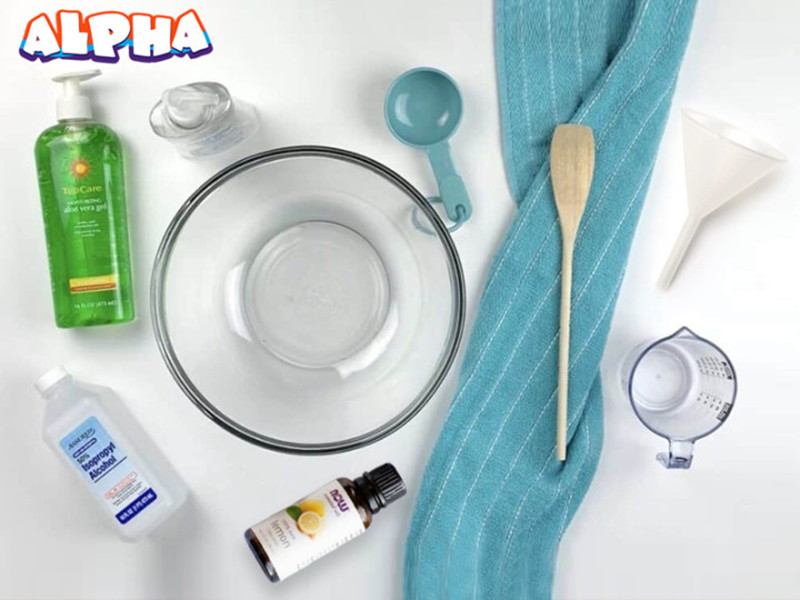
Alpha science classroom:DIY hand sanitizer step
Step 1: the children need to be prepared two-thirds cup of 99% of the rubbing alcohol into the glass bowl, let parents help children, be careful not to put the alcohol into the eyes.
Step 2:The children are one-third cups of aloe gel in a glass bowl filled with alcohol and stir with a stir bar, and it is important to note that not too sharp, slowly stir to mix well.
Step 3: pour your favorite Essential oil into a glass bowl and blend the three ingredients until smooth.
Step 4: take out the prepared airtight container and pour the DIY hand sanitizer into the container with the help of a funnel with the help of your parents.
Finally, children and parents should wash their hands with a DIY hand sanitizer, which can take up to five minutes to penetrate bacteria and be fully effective, by scrubbing the entire surface of their hands and fingers to ensure full coverage.
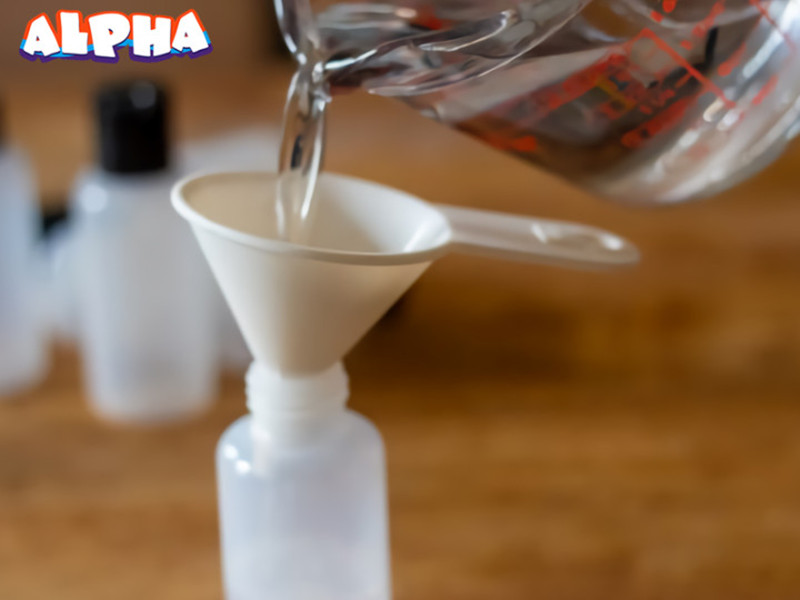
Alpha science toys In this DIY hand sanitizer recipe, alcohol is crucial to killing bacteria. Aloe prevents irritating solutions from drying out the skin and causing itchy skin problems in children, while essential oils can add fragrance (although these oils may irritate sensitive skin, so if children have sensitive skin, there is no need to add them). Finally, the addition of aloe vera or essential oils to DIY hand sanitizer formulas may make it difficult to determine the correct concentration. However, Alpha science toys suggest that DIY child-friendly hand sanitizers must contain at least 60 percent alcohol to be effective.
Alpha science classroom class DIY hand sanitizer science experiment for kids topic today is over, in the course of the past Alpha science toys also has carried on the children to the composition of various bacteria science experiments, parents can guide the children to understand the process of bacteria growth, allow children to further understand the simple biological science knowledge, cultivate the children develop good health habits, parents and children together to do these interesting science experiments, children and the children grow up together. Alpha science toys with children all over the world a safe and safe ride through this special moment and the best future.
MORE:https://www.alphasciencetoys.com/
Alpha Science Classroom: How to assist kids in a study in this special period
The whole world is now going through this special moment. All of us can not go out freely but have to stay at home. Many public places and schools have already closed down as well. Fortunately, even though the kids can not go back to the classroom, the schools can still offer students educational learning material and courses online.
Alpha science toys think that, in this special time, parents can make a plan for their kids every day. Through the guidance of educational science toys, kids can learn more scientific knowledge. Besides, parents can do experiments with kids together. This is absolutely a good way to accompany children and release the pressure.
Below are some tips which can help you spend this special time together with kids.

First: Encourage kids to read books. Practice and improve reading and writing ability.
The best way to let kids love reading is interactive reading. Parents can find some cartons which kids like, then make a special drama script based on this carton. Kids can read the script full of their emotions. Also, parents can read books together with their kids. You can let the kids read some parts, parents read some other parts. Then parents can communicate with the kids, which can help them remember the key information in the books.
Marking the objects in the house is an excellent activity, especially for kids who are at the stage of learning how to name objects. Parents can create labels and stick up on the different corners of the house and let the kids find them. Once you find, parents can ask your children to rename them and give it back to them. Then parents can count the number of the labels and promise to reward the kids.
Second: Through joining science courses or educational science toy, kids can keep their desire to the science world.
The kitchen is full of food and vegetable. Meanwhile, it is also full of scientific phenomenon. Parents can prepare a science and experiment subject for kids in the kitchen. What is the favorite science subject for kids? Or which cupcakes do they like best? Parents can let the kids join in scientific exploration and teach kids the knowledge hiding in the process of doing the experiment. Let the kids understand the knowledge behind the interesting phenomenon, such as how the melon generates electricity, why the cupcake lift, why the eggs will become solid from the liquid when cooking? Alpha science toys have shared many interesting science videos which is suitable for kids to operate on our website.
The third : Make outdoor exploration.
If you are allowed to go out, you can invite the kids to observe the leaves, animals, the sky, and the weather. Also, you can encourage kids to find the rule behind nature. If possible, try to let kids breathe fresh air every day outside. After the kids accepting special education in science courses, you can encourage kids to write down what they have learned. Then they can make further exploration. Also, they can play educational science toys to explore natural mystery.
Fourth: Improve kid’s maths ability.
What are there in the wardrobe? Parents can let kids make some counting at home. Parents can guide the kids to observe the wardrobe, calculate the quantity of the shirts, the pants, the jackets, the shoes and etc. This counting can make this special time interesting and meaningful. Kids can write down the quantity of each kind of clothes. Also, you can let the kids learn some knowledge about score and percent. Parents can also encourage kids to make housework which will get different kinds of awards.
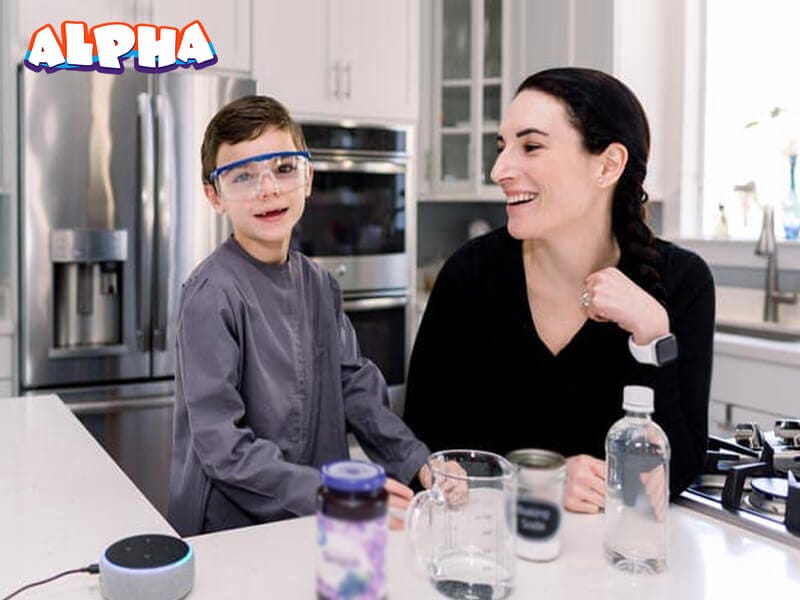
Meanwhile, kids can play some math series of science toys. If kids want to get more snacks or want to play an iPad for a longer time, they have to make efforts. Through this activity, kids can improve their maths abilities. Also, they will become more responsible.
There is another interesting activity. You and your kids can both sit around the window, observing the car color which passing by. It is really interesting for people who live in the city. Parents and kids can create a table which sums up the number of cars in different colors.
The fifth : Through playing with different series of science toys, kids can keep their best state.
Alpha science toys have the broadest science subjects, different experiments, kids can learn broad knowledge when playing Alpha science toys. Alpha science toys can help kids develop different abilities and achieve balanced development.
There are 6 series.
1.Interesting chemical reaction series
2.Magic physics exploration world
3.Charming natural series
4.Surprising space exploration series
5.Lovely girl’s favorite series
6.Disgusting slime world
Alpha Science Toys is committed to creating interesting educational science toys for children for all children in the world. What we are doing is to let children learn different scientific knowledge and make them healthy and happy. In this disaster, the children lost their initial vitality and freedom, and Alpha Science Toys did not want to see them.
The purpose of writing this article is to encourage children to play scientific experiments and help them learn. Alpha Scientific Toys hopes that all children can survive this disaster. We sincerely hope that there will be no more disasters in this world.
MORE:https://www.alphasciencetoys.com/
Alpha science toys:DIY magic bouncing balls
Kids, do you know that simple household materials can make the most amazing educational science toys? Because science is everywhere, our human life is full of elements of science, as long as we have a pair of eyes good at exploration, we can find the existence of science. The children like the ball full of elastic best, today Alpha science classroom with the children with the common materials in the home DIY bouncing balls, through the interesting production process, learn interesting scientific knowledge, Do parents know that children can even use household ingredients to make bouncing balls? This is so cool! Parents and children absolutely love doing this educational science experiment together.
Alpha science classroom:Parents and children before making DIY bouncing balls, please pay attention to the following common sense, although the use of Borax for children's educational science experiment is a great DIY experiment for children's projects, bouncing balls can not be eaten, so parents should watch their children, do not let your children chew bouncing balls.
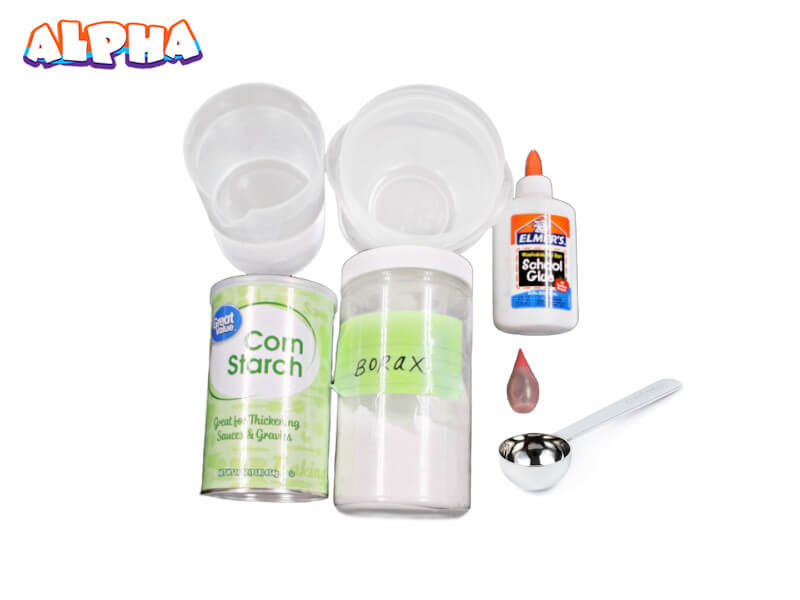
Alpha science classroom: material for DIY bouncing balls
1. Two cups
2.1 measuring spoon
3.1 coffee stir stick (or something for stirring solutions)
4.2 tablespoons of warm water
5.1 / 2 teaspoons borax (look in the washing powder section of the local store)
6.1 tablespoons of glue
7.1 tablespoons corn starch
8. Food coloring (optional)
9. Plastic bag (for storing balls)
Alpha science classroom: DIY bouncing balls steps
Step1
The children pour water and borax into the first cup and stir the mixture with a stir stick until it dissolves. Please note that we only use boiling water in the kettle, so that the mixture can quickly merge, and the children can do it with the help of parents operation, this step will be completed quickly.
Step2
The children poured a mixture of glue, corn starch, food coloring, and 1/2 teaspoon from the first cup into the second cup. First mix the glue, corn starch, and food coloring, and finally pour it into the borax mixture, stirring slowly, so we get the best results.
Step3
The children stayed there quietly for about 15 seconds and then stirred.
Step4
The children find that once the mixture becomes difficult to stir, carefully remove it from the cup and roll it into a ball.
Alpha science classroom tips: We want to keep the DIY bouncing balls for a longer time, we need to put the bouncy ball in a plastic bag, and then put the bouncy ball into the fresh-keeping layer of the refrigerator when the children are not playing, so that the DIY bouncing balls can keep it The moisture and elasticity of the bouncy ball until it absorbs too much dust, parents must remember to discard it.
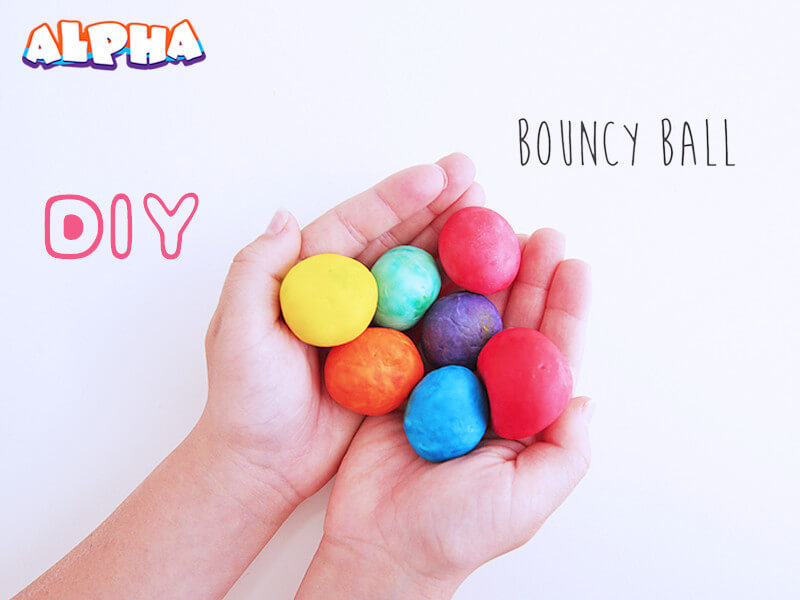
Alpha science classroom the principle of a revelation: the activity of the bouncy ball shows an interesting chemical reaction, mainly between borax and glue. Borax acts as a "cross-linking agent" for the polymer molecules in the adhesive-basically, it will form molecular chains and they will stay together when you pick them up. Corn starch helps to bind the molecules together, thereby better maintaining their shape.
In the fun science experiment time of Alpha science classroom, we completed this great children's educational science experiment together. Do the children feel very magical? Do parents feel that there is a future scientist at home? Then quickly go with the children to do DIY bouncing ball to carry out this interesting children's educational science experiment!
Children can also go to Alpha science toys children's educational science toys world to find more interesting and glowing bouncy balls, which can give children more interesting scientific exploration opportunities. Click the link to choose the most interesting children's science experiment toys!magic-bounce-ball set
MORE:https://www.alphasciencetoys.com/
阿尔法科学课堂:儿童科学实验活动的8大优势
科学是推动人类社会发展的重要技术和探索手段。人类通过科学实验世界的奥秘。孩子在成长过程中需要吸收新知识。优秀儿童科学实验活动已成为孩子探索科学知识的最佳选择也是。老师推荐给最好的孩子的科学学习方法之一。
Alpha Science Toys 了解到,然而,并不是所有的孩子都喜欢孩子们的科学实验。父母不知道孩子的科学实验如何帮助孩子。今天阿尔法科学课堂为孩子们介绍了8个科学实验的好处,帮助家长了解孩子的科学。实验的特别部分,与孩子们一起探索科学的奥秘和特别的乐趣。

为什么现在学习科学?科学实验对幼儿和学龄前儿童的儿童活动的好处:
1. 激发孩子对科学非常高的兴趣(他们已经在探索周围的世界了,为什么不使用它呢?)
2. Easily add language building activities such as discussions, dialogues, and new words. This can help your kid to read and write later, but in the short term, it can help our toddlers and preschoolers improve their conversation skills, learn and use new words, and understand the world around them.
3. science experiments for kids' activities allow children to use a creative channel to explore new ideas.
4. science experiments for kids are open-ended, which means you can do many things. Why not try the same activity a week later and see what your child is doing this time? How will he/she expand on what he/she learned last time?
5. science experiments for kids' activities help children to solve problems encountered in life, such as why light can be refracted.
6. Parents can also add sensory play and math to their children
7. Provides an opportunity for toddlers and preschoolers to test their ideas, make connections, expand the scientific knowledge they already know, and more!
8. science experiments for kids activities can help children succeed in school by building basic skills and knowledge.
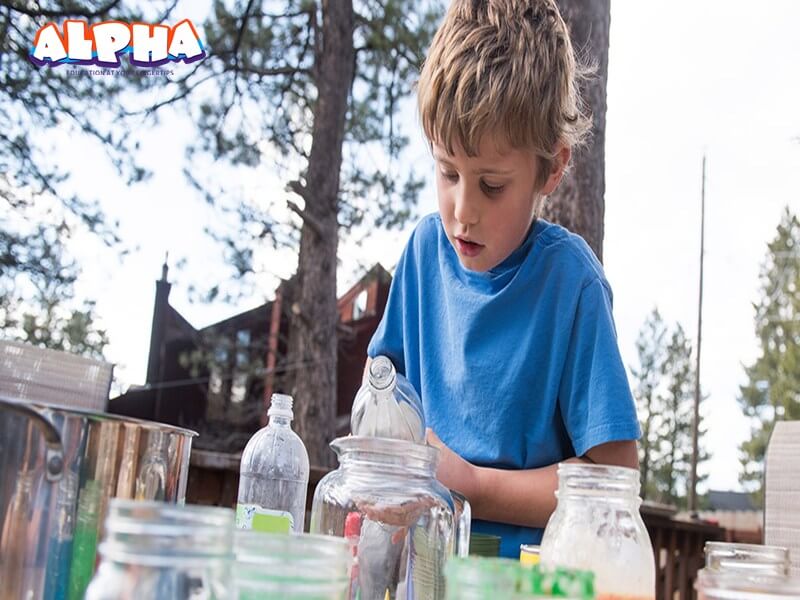
Alpha science classroom: Parents can immediately use these simple and interesting science experiments for kids' activities to help children learn science.
-
Parents can go to the park with their children for a stroll. Talk to the children about what they hear, smell, and see.
-
in the park. Look for signs of animals everywhere with the children. Don't forget to check the plants in the park!
-
Test the speed (speed) by sliding different toy cars or balls in the park.
-
Drop the ball from the rides in the park. Calculate how many rebounds you get from each ball. Reward: make predictions (guess) before losing the ball!
-
Collect toys suitable for children in the water. Test which toys will sink and which ones will not sink. Reward: wash toys. They are still wet, why not?
-
Baking soda + vinegar = very interesting! Remember the old volcano experiment in science class? Parents can do it with their children. Try different amounts of vinegar and baking soda, or add food coloring.
-
What will dissolve? Use the various liquids and powders in the kitchen and see what happens.
-
Try mixing cornstarch and water. Start with a small amount, and then gradually increase it to see what effect it will have.
Alpha science toys believe that it is especially important for children to provide the best learning assistance for children at different stages of growth. Child education scholars believe that parents have a profound impact on children in terms of children’s education. Parents and children Let the children get the best help and answer the questions by going to the science experiments for kids' activities together so that the children will have more motivation in the process of learning scientific knowledge.
As an excellent manufacturer of children’s science toys, Alpha science toys has created many children’s science experiment kits of different disciplines for children around the world, including magical chemical experiments, powerful physical experiments, and full of unknown space toys. Here comes the fun of science. Parents who want to hold science experiments for kids activities with their children, go to the science experiments for kids toy world of alpha science toys, choose the most suitable children's science experiment kit for children, and explore the magic together The world of science makes children the stars of the future.
MORE:https://www.alphasciencetoys.com/
Many parents don’t understand the importance of kids' science toys and don't fully understand the educational implications. Today Alpha science classroom’s theme is to introduce the meaning in detail and the professional advantages of kids science toys to parents. Let children enjoy the fun of kids' science toys, and truly help children learn scientific knowledge.
The role of kids science toys in family education.
Alpha science toys believed that children's learning of science starts at home. When children grow up in science-friendly families, parents will encourage them to ask questions, think critically, conduct interesting science experiments for kids, explain their reasoning, read, write, create models, and watch science programs on TV, these are the best ways for children to learn science at home.
But what are the best kids' science activities and resources? What about the school? Alpha science toys show from research what is the best and worst way to teach science in the classroom.
The most important discovery of Alpha science toys is that children can benefit greatly from a curriculum of critical thinking. When children learn logical principles, hypothesis testing, and other methods of reasoning, they will become better problem solvers and even improve their IQ. When children are asked to explain their reasoning, they will learn more. Moreover, if you are looking for specific teaching content, please find more of these science experiments for preschool children in the Alpha science classroom.
Alpha science classroom: children science knowledge in school.
Alpha science toys show from research that independent learning is not suitable for everyone, some high schools in the United States have adopted a child-oriented scientific method called "self-directed inquiry". In this way, students are free to direct their own research projects, they design and conduct their own research, which sounds very interesting. For a child who already has a background in mathematics and science, this may be a good choice.
But for other children, the "self-directed inquiry" approach may result in lower university science grades. Researchers analyzed the performance of more than 8,000 American high school students. They found that high school students with poor mathematics backgrounds can learn more science knowledge from laboratory experience constructed by teachers, rather than self-directed inquiry.
Different education systems face different challenges.
The methods of science education vary from country to country. Is there a plan to improve all these plans? Efforts to improve scientific achievement should consider local factors. Alpha science classroom summarizes the following knowledge points today.Kids Science Toys: General Guidelines for Promoting Achievement.
Depth, not breadth.
Toddlers benefit from depth rather than breadth because they are obsessed with the same kid's science toy theme for months instead of jumping from one theme to another. New research shows that this method can also help older students.
In a study of American college students, students whose high school science courses cover at least one major topic (that is, one month or more) had better college grades than those who learned more. In the same period of time, students whose high school curriculum covers all major topics have low college scores.
Even after controlling for socioeconomic status, English skills, mathematics scores, and the rigor of high school science courses, these correlations are still significant.
Interactive teaching
Young children and college students may have other things in common. They don't like lectures. Alpha science toys suggest that preschoolers need a lot of "hands-on" experience to learn science knowledge, and older children seem to benefit from interactive teaching.
For example, when the teaching mode is interactive, that is, when students conduct thought experiments or hands-on activities, and get instant feedback through discussions with teachers or peers, students studying introductory physics will benefit.
Emphasize hard work rather than talent.
An international study of the scientific achievements of fourth and eighth-grade students confirmed that Asian countries (for example, Singapore, South Korea, Hong Kong, Taiwan, and Japan) are training the most adequate students.
Although there may be multiple reasons, it may boil down to attitude: Asian cultures are more likely to agree with a flexible, effort-based scientific theory. Those who believe that intelligence will be affected by effort will learn better and achieve more in school.
Eliminate stereotypes.
Alpha science toys show from research experiments that when people believe that "people who like them" are less proficient in different kids' science toy topics, children will perform worse in the test. This phenomenon is called the stereotype threat.
Will stereotypes affect the way we present science to children? It seems possible.
For example, alpha science toys research on Europeans and Americans found that parents are more likely to believe that children’s science is less interested in their daughters rather than their sons, making it more difficult. In addition, when the researchers analyzed parent-child conversations, they found that fathers used more cognitively demanding language when conducting science projects with their sons than their daughters.
If parents do this, we can imagine that children might buy suitable kids' science toys themselves. This may create self-fulfilling low-achievement predictions, so parents must have a high understanding of children's science knowledge, help their children choose the most suitable kids science toy theme, and engage in interesting science experiments with their children, accompany the children to learn scientific knowledge, grow together so that children can learn scientific knowledge efficiently and at the same time, get the most scientific education.
Alpha science toys have been in the field of kids science toys production and design for many years and have a deep research on children's education, parents can safely choose kids science toys kits suitable for children, a variety of kids science toys can help children learn different science knowledge, find a variety of fun in science, and make children's future.
Many parents don’t understand the importance of kids' science toys and don't fully understand the educational implications. Today Alpha science classroom’s theme is to introduce the meaning in detail and the professional advantages of kids science toys to parents. Let children enjoy the fun of kids' science toys, and truly help children learn scientific knowledge.
The role of kids science toys in family education.
Alpha science toys believed that children's learning of science starts at home. When children grow up in science-friendly families, parents will encourage them to ask questions, think critically, conduct interesting science experiments for kids, explain their reasoning, read, write, create models, and watch science programs on TV, these are the best ways for children to learn science at home.
But what are the best kids' science activities and resources? What about the school? Alpha science toys show from research what is the best and worst way to teach science in the classroom.
The most important discovery of Alpha science toys is that children can benefit greatly from a curriculum of critical thinking. When children learn logical principles, hypothesis testing, and other methods of reasoning, they will become better problem solvers and even improve their IQ. When children are asked to explain their reasoning, they will learn more. Moreover, if you are looking for specific teaching content, please find more of these science experiments for preschool children in the Alpha science classroom.
Alpha science classroom: children science knowledge in school.
Alpha science toys show from research that independent learning is not suitable for everyone, some high schools in the United States have adopted a child-oriented scientific method called "self-directed inquiry". In this way, students are free to direct their own research projects, they design and conduct their own research, which sounds very interesting. For a child who already has a background in mathematics and science, this may be a good choice.
But for other children, the "self-directed inquiry" approach may result in lower university science grades. Researchers analyzed the performance of more than 8,000 American high school students. They found that high school students with poor mathematics backgrounds can learn more science knowledge from laboratory experience constructed by teachers, rather than self-directed inquiry.
Different education systems face different challenges.
The methods of science education vary from country to country. Is there a plan to improve all these plans? Efforts to improve scientific achievement should consider local factors. Alpha science classroom summarizes the following knowledge points today.Kids Science Toys: General Guidelines for Promoting Achievement.
Depth, not breadth.
Toddlers benefit from depth rather than breadth because they are obsessed with the same kid's science toy theme for months instead of jumping from one theme to another. New research shows that this method can also help older students.
In a study of American college students, students whose high school science courses cover at least one major topic (that is, one month or more) had better college grades than those who learned more. In the same period of time, students whose high school curriculum covers all major topics have low college scores.
Even after controlling for socioeconomic status, English skills, mathematics scores, and the rigor of high school science courses, these correlations are still significant.
Interactive teaching
Young children and college students may have other things in common. They don't like lectures. Alpha science toys suggest that preschoolers need a lot of "hands-on" experience to learn science knowledge, and older children seem to benefit from interactive teaching.
For example, when the teaching mode is interactive, that is, when students conduct thought experiments or hands-on activities, and get instant feedback through discussions with teachers or peers, students studying introductory physics will benefit.
Emphasize hard work rather than talent.
An international study of the scientific achievements of fourth and eighth-grade students confirmed that Asian countries (for example, Singapore, South Korea, Hong Kong, Taiwan, and Japan) are training the most adequate students.
Although there may be multiple reasons, it may boil down to attitude: Asian cultures are more likely to agree with a flexible, effort-based scientific theory. Those who believe that intelligence will be affected by effort will learn better and achieve more in school.
Eliminate stereotypes.
Alpha science toys show from research experiments that when people believe that "people who like them" are less proficient in different kids' science toy topics, children will perform worse in the test. This phenomenon is called the stereotype threat.
Will stereotypes affect the way we present science to children? It seems possible.
For example, alpha science toys research on Europeans and Americans found that parents are more likely to believe that children’s science is less interested in their daughters rather than their sons, making it more difficult. In addition, when the researchers analyzed parent-child conversations, they found that fathers used more cognitively demanding language when conducting science projects with their sons than their daughters.
If parents do this, we can imagine that children might buy suitable kids' science toys themselves. This may create self-fulfilling low-achievement predictions, so parents must have a high understanding of children's science knowledge, help their children choose the most suitable kids science toy theme, and engage in interesting science experiments with their children, accompany the children to learn scientific knowledge, grow together so that children can learn scientific knowledge efficiently and at the same time, get the most scientific education.
阿尔法科学玩具在儿童科学玩具生产设计领域深耕多年,对儿童教育有深入的研究,家长可以放心选择适合孩子的儿童科学玩具套装,多样的儿童科学玩具可以帮助孩子学习不同的知识科学知识,在科学中找到各种乐趣,成就孩子的未来。
Many parents don’t understand the importance of kids' science toys and don't fully understand the educational implications. Today Alpha science classroom’s theme is to introduce the meaning in detail and the professional advantages of kids science toys to parents. Let children enjoy the fun of kids' science toys, and truly help children learn scientific knowledge.
The role of kids science toys in family education.
Alpha science toys believed that children's learning of science starts at home. When children grow up in science-friendly families, parents will encourage them to ask questions, think critically, conduct interesting science experiments for kids, explain their reasoning, read, write, create models, and watch science programs on TV, these are the best ways for children to learn science at home.
But what are the best kids' science activities and resources? What about the school? Alpha science toys show from research what is the best and worst way to teach science in the classroom.
The most important discovery of Alpha science toys is that children can benefit greatly from a curriculum of critical thinking. When children learn logical principles, hypothesis testing, and other methods of reasoning, they will become better problem solvers and even improve their IQ. When children are asked to explain their reasoning, they will learn more. Moreover, if you are looking for specific teaching content, please find more of these science experiments for preschool children in the Alpha science classroom.
Alpha science classroom: children science knowledge in school.
Alpha science toys show from research that independent learning is not suitable for everyone, some high schools in the United States have adopted a child-oriented scientific method called "self-directed inquiry". In this way, students are free to direct their own research projects, they design and conduct their own research, which sounds very interesting. For a child who already has a background in mathematics and science, this may be a good choice.
But for other children, the "self-directed inquiry" approach may result in lower university science grades. Researchers analyzed the performance of more than 8,000 American high school students. They found that high school students with poor mathematics backgrounds can learn more science knowledge from laboratory experience constructed by teachers, rather than self-directed inquiry.
Different education systems face different challenges.
The methods of science education vary from country to country. Is there a plan to improve all these plans? Efforts to improve scientific achievement should consider local factors. Alpha science classroom summarizes the following knowledge points today.Kids Science Toys: General Guidelines for Promoting Achievement.
Depth, not breadth.
Toddlers benefit from depth rather than breadth because they are obsessed with the same kid's science toy theme for months instead of jumping from one theme to another. New research shows that this method can also help older students.
In a study of American college students, students whose high school science courses cover at least one major topic (that is, one month or more) had better college grades than those who learned more. In the same period of time, students whose high school curriculum covers all major topics have low college scores.
Even after controlling for socioeconomic status, English skills, mathematics scores, and the rigor of high school science courses, these correlations are still significant.
Interactive teaching
Young children and college students may have other things in common. They don't like lectures. Alpha science toys suggest that preschoolers need a lot of "hands-on" experience to learn science knowledge, and older children seem to benefit from interactive teaching.
For example, when the teaching mode is interactive, that is, when students conduct thought experiments or hands-on activities, and get instant feedback through discussions with teachers or peers, students studying introductory physics will benefit.
Emphasize hard work rather than talent.
An international study of the scientific achievements of fourth and eighth-grade students confirmed that Asian countries (for example, Singapore, South Korea, Hong Kong, Taiwan, and Japan) are training the most adequate students.
Although there may be multiple reasons, it may boil down to attitude: Asian cultures are more likely to agree with a flexible, effort-based scientific theory. Those who believe that intelligence will be affected by effort will learn better and achieve more in school.
Eliminate stereotypes.
Alpha science toys show from research experiments that when people believe that "people who like them" are less proficient in different kids' science toy topics, children will perform worse in the test. This phenomenon is called the stereotype threat.
Will stereotypes affect the way we present science to children? It seems possible.
For example, alpha science toys research on Europeans and Americans found that parents are more likely to believe that children’s science is less interested in their daughters rather than their sons, making it more difficult. In addition, when the researchers analyzed parent-child conversations, they found that fathers used more cognitively demanding language when conducting science projects with their sons than their daughters.
If parents do this, we can imagine that children might buy suitable kids' science toys themselves. This may create self-fulfilling low-achievement predictions, so parents must have a high understanding of children's science knowledge, help their children choose the most suitable kids science toy theme, and engage in interesting science experiments with their children, accompany the children to learn scientific knowledge, grow together so that children can learn scientific knowledge efficiently and at the same time, get the most scientific education.
Alpha science toys have been in the field of kids science toys production and design for many years and have a deep research on children's education, parents can safely choose kids science toys kits suitable for children, a variety of kids science toys can help children learn different science knowledge, find a variety of fun in science, and make children's future.
Many parents don’t understand the importance of kids' science toys and don't fully understand the educational implications. Today Alpha science classroom’s theme is to introduce the meaning in detail and the professional advantages of kids science toys to parents. Let children enjoy the fun of kids' science toys, and truly help children learn scientific knowledge.
The role of kids science toys in family education.
Alpha science toys believed that children's learning of science starts at home. When children grow up in science-friendly families, parents will encourage them to ask questions, think critically, conduct interesting science experiments for kids, explain their reasoning, read, write, create models, and watch science programs on TV, these are the best ways for children to learn science at home.
But what are the best kids' science activities and resources? What about the school? Alpha science toys show from research what is the best and worst way to teach science in the classroom.
The most important discovery of Alpha science toys is that children can benefit greatly from a curriculum of critical thinking. When children learn logical principles, hypothesis testing, and other methods of reasoning, they will become better problem solvers and even improve their IQ. When children are asked to explain their reasoning, they will learn more. Moreover, if you are looking for specific teaching content, please find more of these science experiments for preschool children in the Alpha science classroom.
Alpha science classroom: children science knowledge in school.
Alpha science toys show from research that independent learning is not suitable for everyone, some high schools in the United States have adopted a child-oriented scientific method called "self-directed inquiry". In this way, students are free to direct their own research projects, they design and conduct their own research, which sounds very interesting. For a child who already has a background in mathematics and science, this may be a good choice.
But for other children, the "self-directed inquiry" approach may result in lower university science grades. Researchers analyzed the performance of more than 8,000 American high school students. They found that high school students with poor mathematics backgrounds can learn more science knowledge from laboratory experience constructed by teachers, rather than self-directed inquiry.
Different education systems face different challenges.
The methods of science education vary from country to country. Is there a plan to improve all these plans? Efforts to improve scientific achievement should consider local factors. Alpha science classroom summarizes the following knowledge points today.Kids Science Toys: General Guidelines for Promoting Achievement.
Depth, not breadth.
Toddlers benefit from depth rather than breadth because they are obsessed with the same kid's science toy theme for months instead of jumping from one theme to another. New research shows that this method can also help older students.
In a study of American college students, students whose high school science courses cover at least one major topic (that is, one month or more) had better college grades than those who learned more. In the same period of time, students whose high school curriculum covers all major topics have low college scores.
Even after controlling for socioeconomic status, English skills, mathematics scores, and the rigor of high school science courses, these correlations are still significant.
Interactive teaching
Young children and college students may have other things in common. They don't like lectures. Alpha science toys suggest that preschoolers need a lot of "hands-on" experience to learn science knowledge, and older children seem to benefit from interactive teaching.
For example, when the teaching mode is interactive, that is, when students conduct thought experiments or hands-on activities, and get instant feedback through discussions with teachers or peers, students studying introductory physics will benefit.
Emphasize hard work rather than talent.
An international study of the scientific achievements of fourth and eighth-grade students confirmed that Asian countries (for example, Singapore, South Korea, Hong Kong, Taiwan, and Japan) are training the most adequate students.
Although there may be multiple reasons, it may boil down to attitude: Asian cultures are more likely to agree with a flexible, effort-based scientific theory. Those who believe that intelligence will be affected by effort will learn better and achieve more in school.
Eliminate stereotypes.
Alpha science toys show from research experiments that when people believe that "people who like them" are less proficient in different kids' science toy topics, children will perform worse in the test. This phenomenon is called the stereotype threat.
Will stereotypes affect the way we present science to children? It seems possible.
For example, alpha science toys research on Europeans and Americans found that parents are more likely to believe that children’s science is less interested in their daughters rather than their sons, making it more difficult. In addition, when the researchers analyzed parent-child conversations, they found that fathers used more cognitively demanding language when conducting science projects with their sons than their daughters.
If parents do this, we can imagine that children might buy suitable kids' science toys themselves. This may create self-fulfilling low-achievement predictions, so parents must have a high understanding of children's science knowledge, help their children choose the most suitable kids science toy theme, and engage in interesting science experiments with their children, accompany the children to learn scientific knowledge, grow together so that children can learn scientific knowledge efficiently and at the same time, get the most scientific education.
Alpha science toys have been in the field of kids science toys production and design for many years and have a deep research on children's education, parents can safely choose kids science toys kits suitable for children, a variety of kids science toys can help children learn different science knowledge, find a variety of fun in science, and make children's future.
MORE:https://www.alphasciencetoys.com/
Alpha Science Classroom: Which is more suitable for children, video games, or educational science toys?
Alpha Science classroom learned that, with the continuous development and progress of science and technology, many new types of children's toys and games appeared, which created many new learning methods for children. So do video games have any learning advantages over traditional science toys for children? Today Alpha Science Toys analyze the advantages and disadvantages of video games and educational science toys to help parents understand the different advantages of video games and children's science toys.
Video games have been widely used in children's lives in the 21st century. According to Alpha Science Toys, 83 percent of children under age 6 engage in screen media on a daily basis, such as television, computers, or video games. Parents don't know if exposing their children to video games is good or bad for them. Video games and educational science toys have their pros and cons. The American Academy of Pediatrics recommends choosing age-appropriate games for children and limiting screen time to one or two hours a day.
Motor Coordination
Many electronic toy companies sell video games to infants and teenagers, touting their systems for improving motor skills. Joystick games may help with emerging fine motor skills. Hand-eye coordination and other visual-motor skills may be challenged when young children are exposed to video games. The research institute points out that moderate use of such games can improve motor skills, but parents need to closely monitor their children's use.
Critical thinking Skills
Alpha Science Toys believe that exposing children to video games in the right environment may be educational but not all video games are educational. Video games that focus on reading, math, and other academic topics can help children learn and improve their analytical and critical thinking skills. Similarly, educational science toys can enable children to learn critical thinking skills to the maximum extent. In the process of scientific experiments, children can constantly ask questions and reflect, and then verify the correctness of things, so that children can truly feel the concept of critical thinking.
Time management
Alpha Science Toys remind parents and caregivers that children must focus on their studies. Children who spend hours a day playing video games may not have enough time for homework or other academically related activities. Parents can create a complete schedule and set appropriate play times for their children so that children can learn to manage their time properly.
Stress Management
The Global Center for Children's Research says children are just as stressed as adults. Playing video games and video games can help kids get through a long day, reduce their stress, and possibly make them feel refreshed and relaxed. When video games are used as "light entertainment" in this way, it is good for the whole family.
Through investigation and research, Alpha Science Toys believe that children will have many questions about educational science toys when they play them. When parents explain this knowledge to children, children's language ability can be cultivated and parent-child intimacy can be promoted.
Aggression and violence
Alpha Science Toys has learned that video games that focus on killing opponents to earn points and rewards may make it difficult for children to distinguish between reality and fantasy, and make them insensitive to violence. Alpha Science Toys learned about the impact of electronic media on children under 6 from the relevant report. Both boys and girls are more likely to emulate the positive and negative behaviors they see on television and other forms, and boys are more likely to show aggressive behavior than girls, which is also a disadvantage of video games. So for children between the ages of 6 and 10, traditional educational science toys are the best choice. In the process of children's growth, educational science toys can give children the best learning experience, help children improve their social, thinking, sensory, coordination, intelligence and other abilities to promote children's all-round growth.
Finally, Alpha Science Toys aim to help children grow by analyzing the advantages and disadvantages of video games and educational science toys and tell parents how to choose the most suitable games or toys for children. As a manufacturer of educational science toys, Alpha Science Toys know the importance of children's education, so it is particularly important to give the best help to children at the most important stage of their growth. Therefore, parents must choose the most suitable learning assistant for their children, so that the children can grow up happily and healthily. If you need top educational science toys, welcome to Alpha Science Toys to choose the most suitable educational science toys for children, so that every child can enjoy the fun of science toys.
MORE:https://www.alphasciencetoys.com/
Alpha science classroom: how to do DIY Glitter Slime
Alpha is aimed to make science magical and interesting. At these special moments, children can use simple science experiments to learn scientific knowledge in different fields at home, which is the best extracurricular tutoring. Slime toys have always been one of the favorite sensory toys for children around the world. They are very charming, just like jelly. Today Alpha science classroom makes science interesting. DIY Glitter Slime is an interesting way to make a science experiments for kids popular. Today, Alpha science toys teach children how to make the glitter slime, which is an excellent science experiment, the purpose is to show how the polymer works.
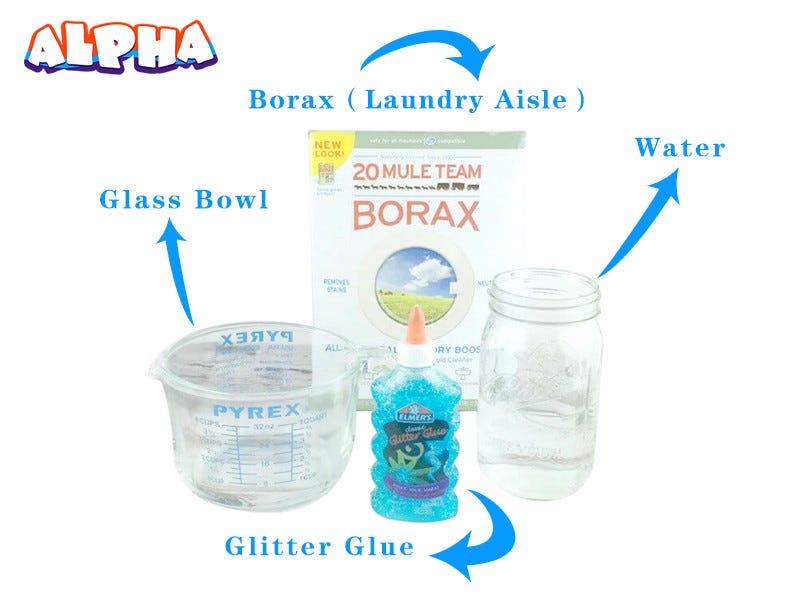
Alpha science classroom:DIY Glitter Slime material
1. Borax(You can find it in the local laundry)
2. Blue glitter glue
3. Glass measuring cup
4. Water
5. Stir Stick
Alpha science classroom:How to make glitter slime toys
Step 1: Pour the blue glitter glue into the glass measuring cup. It is very easy for children to do.
Step 2: After running out of the glue, pour some water into the bottle, shake the bottle vigorously, and pour the remaining glue into the glass measuring cup. Don’t waste the glue.
Step 3: Use the stir stick to stir slowly the glue in the measuring cup evenly
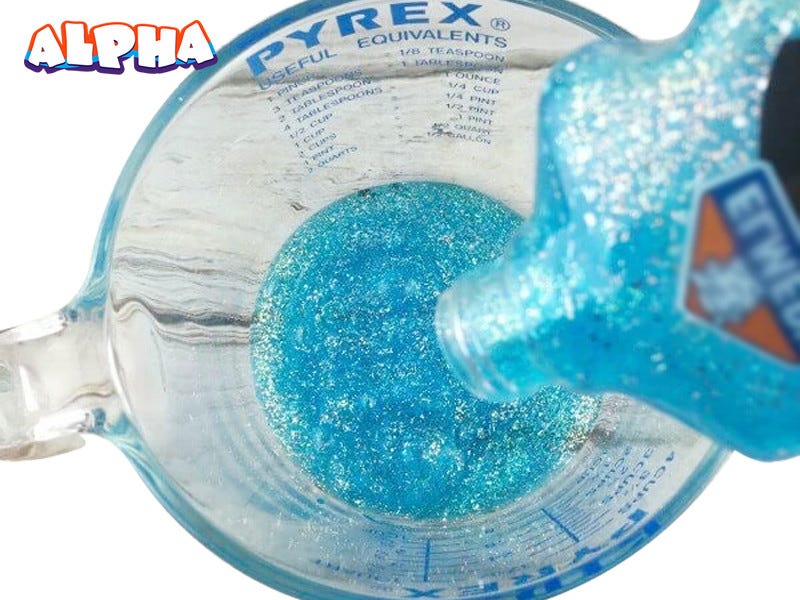
Step 4: After that, mix 1 teaspoon of borax into 1/2 cup of warm water. (When measuring and mixing borax, please be careful, parents can help their children to complete.)
Step 5: Mix slowly the glue and borax water evenly, remember not to be too fast, this will make the two substances mix unevenly.
Step 6: The children can slowly stir their Glitter Slime and observe the magic phenomenon while stirring. The interesting slime is completed. It’s very cool and ductile.
Alpha science classroom:DIY Glitter Slime’s recipe science principles
Today, Alpha science toys conduct science experiments with children to introduce some scientific knowledge of polymer. The polymer is made of long-chain molecules, like a beaded necklace. The glue contains an ingredient called polyvinyl acetate, which is a liquid polymer. Borax helps polymer stick together and form slime. That’s so awesome! Children can also make bouncing balls by stretching slime. That is an interesting science experiment for kids.
In the end, Alpha science classroom hopes that children will conduct more science experiments and learn more interesting scientific knowledge with their parents at home. Children can learn a lot of interesting scientific phenomena in this process. When go to school, kids can share them with their partners and become the smartest “star” in the school. More interesting slime toys, welcome to Alpha science toys, we are waiting for you here.
MORE:https://www.alphasciencetoys.com/
Alpha science classroom: DIY Rainbow Bubble
Can the beautiful rainbow come into being a bubble ?
what kind of scientific principle and knowledge for this mysterious phenomenon contains, Alpha science classroom science experiment for kids topic is DIY produce magic rainbow of the bubble with children together to use baking soda and vinegar together, this experiment helps children to understand the simple knowledge of chemistry, and become the most severe rainbow maker.
Alpha science classroom:DIY rainbow bubble experiment principle
Baking soda and vinegar react because one is a base and the other is an acid.
Baking soda is an alkaline compound called sodium bicarbonate.
Vinegar is a dilute solution containing acetic acid.
The reaction between baking soda and vinegar is actually two separate reactions.
The first reaction is an acid-base reaction.
When the vinegar and baking soda are first mixed together, the hydrogen ions in the vinegar react with the sodium and bicarbonate ions in the baking soda.
The result of this initial reaction was two new chemicals: carbonic acid and sodium acetate.
The second reaction is the decomposition reaction.
Carbonic acid is formed as a result of the first reaction and immediately begins to decompose into water and carbon dioxide gas.
Like carbon dioxide in the bubbles of a carbonated drink, the carbon dioxide (which is formed as carbonic acid breaks down) rises to the top of the mixture.
Bubbles and foams form when baking soda and vinegar are mixed.
Kids, what could be better than a bubbling rainbow?
Alpha science classroom today's bubble rainbow science experiment for kids, children see their own rainbow to stir up the bubble, is not feel very beautiful and interesting, make your own rainbow bubble with your parent quickly!
MORE:https://www.alphasciencetoys.com/
Alpha science toys:DIY magic bouncing balls
Kids, do you know that simple household materials can make the most amazing educational science toys? Because science is everywhere, our human life is full of elements of science, as long as we have a pair of eyes good at exploration, we can find the existence of science. The children like the ball full of elastic best, today Alpha science classroom with the children with the common materials in the home DIY bouncing balls, through the interesting production process, learn interesting scientific knowledge, Do parents know that children can even use household ingredients to make bouncing balls? This is so cool! Parents and children absolutely love doing this educational science experiment together.
Alpha science classroom:Parents and children before making DIY bouncing balls, please pay attention to the following common sense, although the use of Borax for children's educational science experiment is a great DIY experiment for children's projects, bouncing balls can not be eaten, so parents should watch their children, do not let your children chew bouncing balls.
Alpha science classroom: material for DIY bouncing balls
1. Two cups
2.1 measuring spoon
3.1 coffee stir stick (or something for stirring solutions)
4.2 tablespoons of warm water
5.1 / 2 teaspoons borax (look in the washing powder section of the local store)
6.1 tablespoons of glue
7.1 tablespoons corn starch
8. Food coloring (optional)
9. Plastic bag (for storing balls)
Alpha science classroom: DIY bouncing balls steps
Step1
The children pour water and borax into the first cup and stir the mixture with a stir stick until it dissolves. Please note that we only use boiling water in the kettle, so that the mixture can quickly merge, and the children can do it with the help of parents operation, this step will be completed quickly.
Step2
The children poured a mixture of glue, corn starch, food coloring, and 1/2 teaspoon from the first cup into the second cup. First mix the glue, corn starch, and food coloring, and finally pour it into the borax mixture, stirring slowly, so we get the best results.
Step3
The children stayed there quietly for about 15 seconds and then stirred.
Step4
The children find that once the mixture becomes difficult to stir, carefully remove it from the cup and roll it into a ball.
Alpha science classroom tips: We want to keep the DIY bouncing balls for a longer time, we need to put the bouncy ball in a plastic bag, and then put the bouncy ball into the fresh-keeping layer of the refrigerator when the children are not playing, so that the DIY bouncing balls can keep it The moisture and elasticity of the bouncy ball until it absorbs too much dust, parents must remember to discard it.
Alpha science classroom the principle of a revelation: the activity of the bouncy ball shows an interesting chemical reaction, mainly between borax and glue. Borax acts as a "cross-linking agent" for the polymer molecules in the adhesive-basically, it will form molecular chains and they will stay together when you pick them up. Corn starch helps to bind the molecules together, thereby better maintaining their shape.
In the fun science experiment time of Alpha science classroom, we completed this great children's educational science experiment together. Do the children feel very magical? Do parents feel that there is a future scientist at home? Then quickly go with the children to do DIY bouncing ball to carry out this interesting children's educational science experiment!
Children can also go to Alpha science toys children's educational science toys world to find more interesting and glowing bouncy balls, which can give children more interesting scientific exploration opportunities. Click the link to choose the most interesting children's science experiment toys!magic-bounce-ball set
MORE:https://www.alphasciencetoys.com/
Alpha science classroom:How to select amazing fun children educational toy
When parents take children to go shopping centers, children always want to buy all kinds of children's toys and gadgets, but children don’t know every kid's educational science toys and science play can teach children different benefits. the problem for parents is that these kids science toy need to be classified . of course, parents provide different kids educational science toys for different ages range of children, which is helpful to children to learn, However, when choosing kids educational science toys, parents need to keep in mind some considerations.
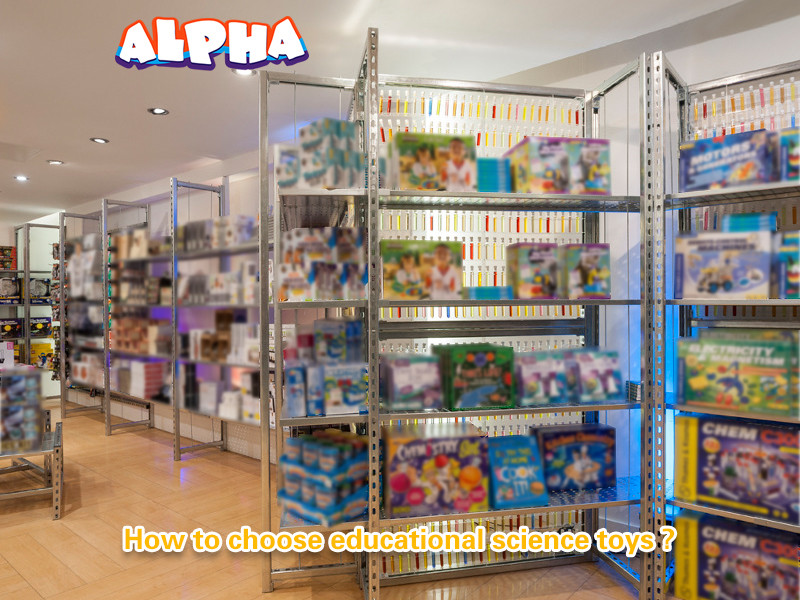
Notes on choosing kids educational science toys for children
1. Our children's educational science toys safe?
2. Our children's educational science toys easy to break?
3. Our children's educational science toys cost-effective?
4. Is the science project for children's educational science toys a scientific field that schools or parents are trying to teach?
5. Can children describe the actual working principle of educational science toys?
Alpha science toys Children's educational science toys that meet all the above requirements are obvious. We started to look for the most suitable educational science toys for children. Once the excellent children's educational science toys have passed the above requirements, we will further study the scientific experiment content of children's educational science toys. Here, parents can discover even simple scientific experiment projects, and can also help children learn the basic scientific knowledge that children will learn in school in the coming years.
Alpha science toys believe that at different stages of children's growth, various children's educational science toys can be slowly introduced. These children's educational science toys can be used as tools and assistants for children to learn scientific knowledge. Children can benefit from rich and science-based educational toys for children to improve brain development and skills.
Alpha science toys In order to ensure that children get the best scientific play experience while learning, their children's educational science toys must be suitable for their age. Alpha science toys, as a recommended age range for children's educational science toy manufacturers, list the most suitable age range of science toys for children. But before that, we want to share the criteria used to create these reviews.
Main features of the best children's educational science toys
Consider children's educational benefits
The first criterion for parents to make choices is the educational benefits that children can get from children ’s educational science toys. So far, this function is the highlighted advantage that every child's educational science toy must have in this article. We ensure this in our separate evaluation of each kind of children's educational science toy products.
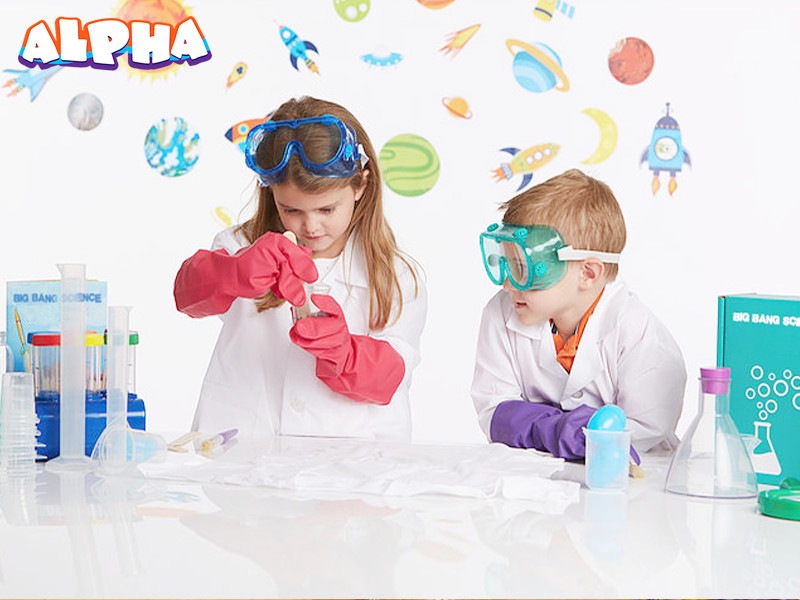
Educational science toys for children must have at least one or two science branches of educational tools made according to STEM learning methods. Children's educational science toys must promote interactive games. These interactive games should also improve their knowledge, talents, and abilities. Fundamentally introducing the basic concepts of science, is the most suitable information learning function for your child.
Choose the appropriate age
Every child's educational science toy must be consistent with the child's ability, especially according to their ability to define. In order for children to fully realize the benefits and advantages of children's educational science toys, children should be able to have fun. Children's experience in learning is as valuable as the applicability experience they gained in the development stage. The scientific knowledge and concepts that children acquire from toys must match the age of the children.
Fun Factors of Children's Educational Science Toys
Well, they are children, which means they have fun! a lot of!
The memory of children playing since childhood has played a big role in the positive results of the overall development. Although you plan to teach the children to learn different courses as early as possible, you must let the children feel the freedom and fun of learning in the best way. However, parents should still pay attention to the interesting factors in children's educational science toys in order to complete the children's different learning goals in a fun atmosphere.
Design and usability of children's educational science toys
This scientific suit must be easy. Since we are already looking for age-appropriate educational science toys for children, we can cross-check their main functions based on the design and availability of educational science toys for children. For toddlers or young children, the design and function must be simple and easy to use. Older children can handle more complex functions, and they will find these functions incredible and challenging.
Alpha science toys believe that another factor that parents must consider when purchasing is the durability of the materials and design of children's educational science toys. It is best for children to be able to taste their children's educational science toys with confidence until they exhaust all the benefits of more scientific knowledge gained from children's educational science toys.
Alpha science toys are producing safe and high-quality children's educational science toys for children. As an expert in children's science educational toys, Alpha science toys has always been committed to helping children learn different scientific knowledge safely and quickly. Develop children's educational science toys, so parents need high-quality children's educational science toys can be selected for children in the fun science world of Alpha science toys, and each period of Alpha science classroom brings the most wealthy scientific experiments for children, Let the children get a lot of happiness while learning the scientific knowledge if the children are bored at this particular moment? Then study in the Alpha science classroom!
MORE:https://www.alphasciencetoys.com/
Alpha science classroom: How to choose safe educational science toys?
Alpha science toys discussed the educational value of educational science toys with many children educators, analyzed what knowledge in educational science toys are suitable for children’s learning and analyzed the main factor of choosing educational science toys for parents. Alpha science toys introduce the advantages of educational science toys and how to help children learn. Meanwhile, Alpha science toys will explain to parents what are “open-ended” toys and advantages of “open-ended” toys.
Why are educational science toys important for young children?
Alpha science toys think different types of toys are important to babies, toddlers, preschool, and school-age children. Children need plenty of opportunities to play with a variety of educational science toys and materials and use their imagination. We need to respect and understand more about the educational science toys and its great value for all babies and children. Alpha science toys think educational science toys are an important part of every child’s life. It is a wonderful feeling to give the right educational science toy. Choosing the right educational science toy from among the many possibilities can be very rewarding to both adults and children.
Alpha science toys: What are some different types of educational science toys?
Alpha science toys remind parents to select toys that offer a good balance and enrich children’s skills or educational science toys. Include products that offer open-ended play like blocks, physical play like balls, silly toys like jack in the box for its fun and surprise responses, and, of course, electronics that are in balance with non tech toys.
Activity toys
Activity toys develop coordination, improve small and large motor skills, and balance. Begin with balls and beanbags; add a tricycle, bike, wagon, or skates. A jump rope and a kite are great for outdoor fun. Always check whether your child is ready for the activity. Also, don’t forget the valuable experiences of gardening, nature walks, and exploring.
Creativity toys
Creativity toys stimulate self-expression. The child can create with crayons, finger-paints, watercolors, slime, and craft sets. Children learn from following directions, a sequence of activities, and gain satisfaction in completing a project. Don’t forget activities like making something new with a cardboard box to stimulate imagination, singing or listening to or making music, or trying other creative projects.
Learning toys
Learning toys contribute to the acquisition of knowledge. These toys include books, tapes, videos, software, CDs, puzzles, and board games. The child should read books, listen to music, solve puzzles, and play games. Take time to read a story or create a puppet show. Discuss programs watched on TV or a recent movie attended. You can also build together with blocks and varied construction toys, play board games, and solve puzzles.
When a child has a preference for particular kinds of toys, is that something to encourage or should parents try to get their child to expand many alternatives so that they can appreciate many styles while forming their own preferences. Older children have a wide range of interests. They continue to enjoy the play, but are able to handle more complexity—in games, projects, products, and activities. You will learn a lot if you listen to what children like and why. You may not agree, but understand the preferences as a sign of their own personality growth and emerging peer relationships that are exceedingly important as they mature.
Alpha science toys tell parents what are “open-ended” toys and why are they important?
Alpha science toys through many years of data and research finding open-ended educational science toys and activities like slime, puppets, dolls, and works of art that can stimulate creativity, learning ability, exploration ability, thinking ability, reasoning ability and social ability of children of different ages.
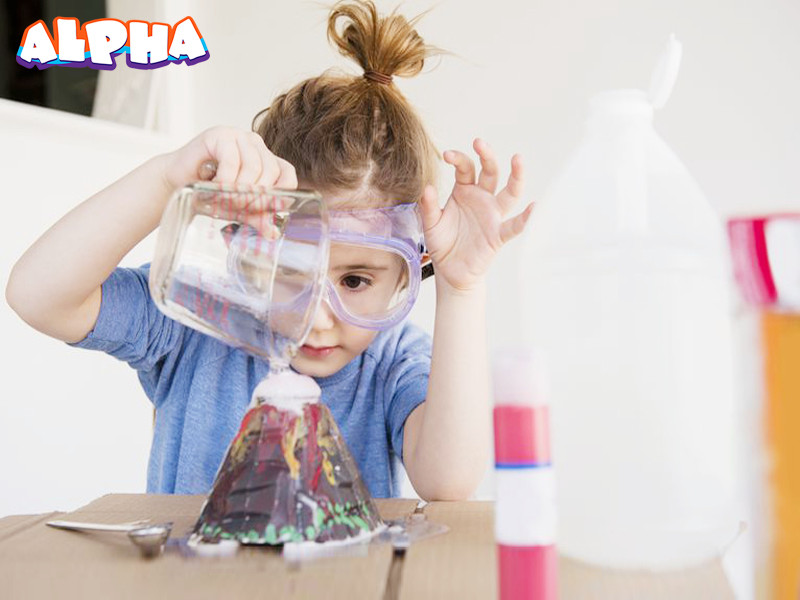
Alpha science toys tell parents What questions should parents ask before choosing educational science toys or children's educational products?
1. educational science toy/product safe? Are there any potential hazards? Is the product too small? Any sharp edges or loose ties? Is it nontoxic? Will it take rough treatment? Can it be easily cleaned? Does it meet Consumer Product Safety Standards? Is there a warranty?
2. educational science toy is fun? educational science toy or educational toy is supposed to entertain the child. It should amuse, delight, excite, be enjoyable, and provide skills’ practice.
3. Is the educational science toy appropriate? Is this educational science toy or product significant now? Does the educational science toy fit the child’s age, skills, and abilities? Will it hold interest? Will the child be happy using the educational science toy?
4. Is the educational science toy well-designed? Is educational science toy easy to use?
5. Is the educational science toy versatile? Is there more than one use for it?
6. Is the educational science toy durable? Will it be something that will last a long time? Children play hard and subject their toys to a lot of wear.
7. Is the educational science toy enticing and engaging to the child? Does it offer an opportunity for fun, to learn, and to think?
8. Will the educational science toy help the child expand creativity? With the right educational science toy, the child can expand imagination in art, crafts, hobbies, language, reading, music, movement, and drama.
9. Will the educational science toy frustrate or challenge the child? Will the child know how to use the educational science toy? Or will it be too difficult to use without adult assistance? Does the toy offer something new to learn, to practice, or to try?
10. Does the educational science toy match the package and the package match the product? If the toy does not match ads or packaging, it can be disappointing. Is age-grading clear? Is the item in the store like the product shown in the print media or TV advertisement?
11. Will the educational science toy help nurture childhood? Does the product help the child express emotions, experience concern for others, and practice positive social interaction? Does it provide value to childhood? Or are there any violent, sexist, or other negative aspects to the product?
12. What will the educational science toy teach? Does it help expand positive self-esteem, values, understanding, and cultural awareness? Does it offer practice in skill-building? eye/hand coordination? fine and large motor skills? communication? Does it educate the child about the environment? the community? the world? history? science and/or technology? other skills?
13. Can the educational science toy be cleaned and reused? If it is not washable, can it be cleaned in a practical way?
14. Is the educational science toy affordable?
15. Does the educational science toys price match the value received?
Alpha science toys think What's the role of fun or joy in selecting toys, or should a parent always be thinking of "education”?
Helping children become fully developed person requires a good combination of thinking, common sense, and experiences. We must also experience a full range of emotions to be fully human. It would not be good to be lopsided to one degree or another. It’s better if we can solve problems, make good choices based on character and values, and feel glad and proud about finding solutions. Certainly, children need to solve problems, express their feelings, and spend time each day in playful activities. If we are only rational and don’t allow ourselves to express feelings, we drastically reduce and diminish the full human experience of joy and discovery. The world of toys provides learning and fun, surprises and skills, emotional growth, experiences of all kinds, and much more. Enjoy smart play and smart toys for a lifetime. Toys, puzzles, and games are good for children—and seniors. Playtime is, after all, good for a lifetime. Turn off the TV and Turn on playtime for more fun, memorable, and meaningful family time.
MORE:www.Alphasciencetoys.com
Alpha science classroom:How to DIY hand sanitizer for children
All the people in the world are in a special time of the disaster, but at the same time, they need to accept the challenges of nature constantly. They need to learn how to protect their health in this disaster. We need to learn how to get rid of germs, how to clean up, and how to prevent germs from affecting our families and our children.
When it comes to children's health Alpha science toys also have experienced great, when the parents came back home from the outdoor, work if there is no strict disinfection, will likely take different bacteria back to home, threaten the children in the home and the old man, parents must know the correct clean, keep my body and health and safety of the family, so DIY hand sanitizer became healthy good helper, Alpha science classroom teaches parents and children today, how to use simple materials in the home, DIY hand sanitizer for the children of children's hand sanitizer, A special science experiment for kids was presented to the children.
Alpha science classroom:diy hand sanitizer
Alpha science toys mention about germs. The most effective method known is to clean hands with soap and warm water for at least 20 seconds, but parents can also use hand sanitizers in an emergency. Alpha science toys remind parents to choose alcohol that is at least 60% alcohol to get the most out of it and to use it properly.
Alpha science classroom:DIY hand sanitizer requires the following materials:
1. The glass bowl
2. Stir
3.Two-thirds cup 99% of rubbing alcohol (IPA)
4.One-third cups of aloe vera gel
5.Essential oil (optional)
6.Sealed container (use up hand sanitizer bottle is optional)
7.a funnel
Alpha science classroom:DIY hand sanitizer step
Step 1: the children need to be prepared two-thirds cup of 99% of the rubbing alcohol into the glass bowl, let parents help children, be careful not to put the alcohol into the eyes.
Step 2:The children are one-third cups of aloe gel in a glass bowl filled with alcohol and stir with a stir bar, and it is important to note that not too sharp, slowly stir to mix well.
Step 3: pour your favorite Essential oil into a glass bowl and blend the three ingredients until smooth.
Step 4: take out the prepared airtight container and pour the DIY hand sanitizer into the container with the help of a funnel with the help of your parents.
Finally, children and parents should wash their hands with a DIY hand sanitizer, which can take up to five minutes to penetrate bacteria and be fully effective, by scrubbing the entire surface of their hands and fingers to ensure full coverage.
Alpha science toys In this DIY hand sanitizer recipe, alcohol is crucial to killing bacteria. Aloe prevents irritating solutions from drying out the skin and causing itchy skin problems in children, while essential oils can add fragrance (although these oils may irritate sensitive skin, so if children have sensitive skin, there is no need to add them). Finally, the addition of aloe vera or essential oils to DIY hand sanitizer formulas may make it difficult to determine the correct concentration. However, Alpha science toys suggest that DIY child-friendly hand sanitizers must contain at least 60 percent alcohol to be effective.
Alpha science classroom class DIY hand sanitizer science experiment for kids topic today is over, in the course of the past Alpha science toys also has carried on the children to the composition of various bacteria science experiments, parents can guide the children to understand the process of bacteria growth, allow children to further understand the simple biological science knowledge, cultivate the children develop good health habits, parents and children together to do these interesting science experiments, children and the children grow up together. Alpha science toys with children all over the world a safe and safe ride through this special moment and the best future.
MORE:https://www.alphasciencetoys.com/
Alpha Science Classroom: How to assist kids in a study in this special period
The whole world is now goiAlpha Science Classroom: How to assist kids in a study in this special periodng through this special moment. All of us can not go out freely but have to stay at home. Many public places and schools have already closed down as well. Fortunately, even though the kids can not go back to the classroom, the schools can still offer students educational learning material and courses online.
Alpha science toys think that, in this special time, parents can make a plan for their kids every day. Through the guidance of educational science toys, kids can learn more scientific knowledge. Besides, parents can do experiments with kids together. This is absolutely a good way to accompany children and release the pressure.
Below are some tips which can help you spend this special time together with kids.

First: Encourage kids to read books. Practice and improve reading and writing ability.
The best way to let kids love reading is interactive reading. Parents can find some cartons which kids like, then make a special drama script based on this carton. Kids can read the script full of their emotions. Also, parents can read books together with their kids. You can let the kids read some parts, parents read some other parts. Then parents can communicate with the kids, which can help them remember the key information in the books.
Marking the objects in the house is an excellent activity, especially for kids who are at the stage of learning how to name objects. Parents can create labels and stick up on the different corners of the house and let the kids find them. Once you find, parents can ask your children to rename them and give it back to them. Then parents can count the number of the labels and promise to reward the kids.
Second: Through joining science courses or educational science toy, kids can keep their desire to the science world.
The kitchen is full of food and vegetable. Meanwhile, it is also full of scientific phenomenon. Parents can prepare a science and experiment subject for kids in the kitchen. What is the favorite science subject for kids? Or which cupcakes do they like best? Parents can let the kids join in scientific exploration and teach kids the knowledge hiding in the process of doing the experiment. Let the kids understand the knowledge behind the interesting phenomenon, such as how the melon generates electricity, why the cupcake lift, why the eggs will become solid from the liquid when cooking? Alpha science toys have shared many interesting science videos which is suitable for kids to operate on our website.
The third : Make outdoor exploration.
If you are allowed to go out, you can invite the kids to observe the leaves, animals, the sky, and the weather. Also, you can encourage kids to find the rule behind nature. If possible, try to let kids breathe fresh air every day outside. After the kids accepting special education in science courses, you can encourage kids to write down what they have learned. Then they can make further exploration. Also, they can play educational science toys to explore natural mystery.
Fourth: Improve kid's maths ability.
What are there in the wardrobe? Parents can let kids make some counting at home. Parents can guide the kids to observe the wardrobe, calculate the quantity of the shirts, the pants, the jackets, the shoes and etc. This counting can make this special time interesting and meaningful. Kids can write down the quantity of each kind of clothes. Also, you can let the kids learn some knowledge about score and percent. Parents can also encourage kids to make housework which will get different kinds of awards.
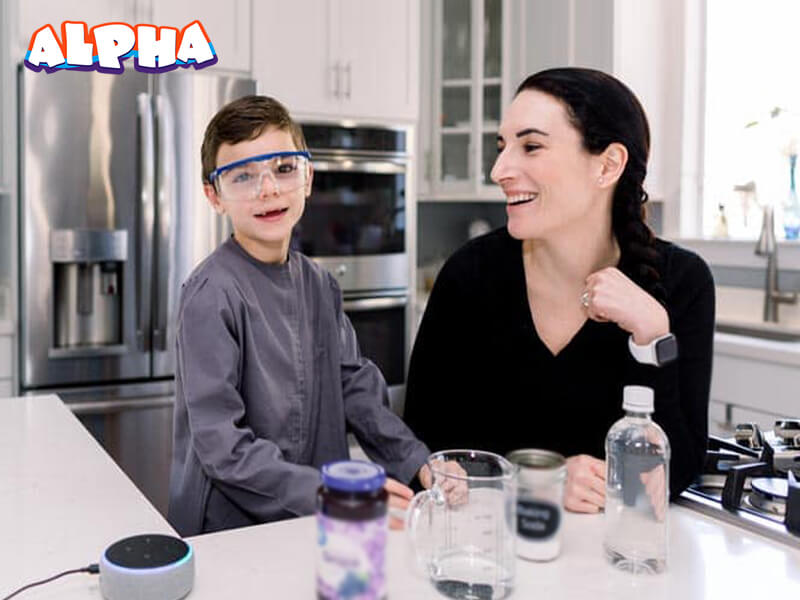
Meanwhile, kids can play some math series of science toys. If kids want to get more snacks or want to play an iPad for a longer time, they have to make efforts. Through this activity, kids can improve their maths abilities. Also, they will become more responsible.
There is another interesting activity. You and your kids can both sit around the window, observing the car color which passing by. It is really interesting for people who live in the city. Parents and kids can create a table which sums up the number of cars in different colors.
The fifth : Through playing with different series of science toys, kids can keep their best state.
Alpha science toys have the broadest science subjects, different experiments, kids can learn broad knowledge when playing Alpha science toys. Alpha science toys can help kids develop different abilities and achieve balanced development.
There are 6 series.
1.Interesting chemical reaction series
2.Magic physics exploration world
4.Surprising space exploration series
5.Lovely girl’s favorite series
Alpha Science Toys is committed to creating interesting educational science toys for children for all children in the world. What we are doing is to let children learn different scientific knowledge and make them healthy and happy. In this disaster, the children lost their initial vitality and freedom, and Alpha Science Toys did not want to see them.
The purpose of writing this article is to encourage children to play scientific experiments and help them learn. Alpha Scientific Toys hopes that all children can survive this disaster. We sincerely hope that there will be no more disasters in this world.
MORE:https://www.alphasciencetoys.com/
Alpha science classroom: Test the antibacteriAlph
Alpha science classroom: Test the antibacterial effect of soap
Alpha science toys company knows kids like to explore something new in their growth process but they don’t like to wash hands and take a shower after being exposed to a lot of bacteria. Because kids have no clear idea of what harm and effect bacteria bring to human health. In the last two classes, Alpha science classroom helped kids know the different types and harms of bacteria and learned how to kill bacteria through the children’s science experiments on bacterial growth. Today, Alpha science classroom tells you how to remove bacteria with different types of soaps and makes kids know which one is the best way to kill bacteria. We can use Agar and Petri dishes to grow bacteria organisms and then do the science experiments for kids.
Alpha science classroom: soap antibacterial science experiments for kids materials
1. Two (or more) Petri dishes
2. Sterile swabs
3. Agar
4. Blotter paper or other absorbent paper
5. Forceps or tweezers
6. Different kinds of hand cleaners: regular soap, antibacterial soap, dish soap, hand sanitizer
Alpha science classroom: Steps of antibacterial effect of soap science experiment for kids
1. Prepare the agar according to the directions on the label, then pour enough to cover the bottom of each petri dish. Cover the dishes and let them stand for about an hour until the agar has solidified again. (If you aren’t going to use them right away after they have cooled, store them upside down in the refrigerator.)
2. When your Petri dishes are ready, collect some bacteria from your hand or the hand of a volunteer. (Make sure the person hasn’t washed his or her hands too recently!) Do this by rubbing the sterile swab over the palm in a zigzag pattern.
3. Remove the cover from the petri dish and lightly rub the swab back and forth in a zigzag pattern on the agar. Turn the dish a quarter turn and zigzag again. Cover the dish and repeat steps two and three for the other dish, using a new sterile swab. Label the dishes “Test” and “Control.” (You may want to do more than one test dish, so you can compare the results.)
4. Cut the blotter paper into small “sensitivity squares.” Use permanent link to label the squares for the different types of hand cleaners you are going to test, e.g., “R” for regular soap, “A” for antibacterial soap, and “S” for hand sanitizer. Using tweezers, dip each square into the appropriate cleaner. Blot the excess cleaner on a paper towel and then place the squares on the agar in the “Test” dish. (Spread the squares out so there is the distance between them.) Add one square of plain blotter paper to test if blotter paper by itself has any effect. Don’t put any squares in the “Control” dish – this one will show you what the bacterial growth will look like without any soap.
5. Put the dishes in a dark, room-temperature place like a closet and leave them undisturbed for a few days.
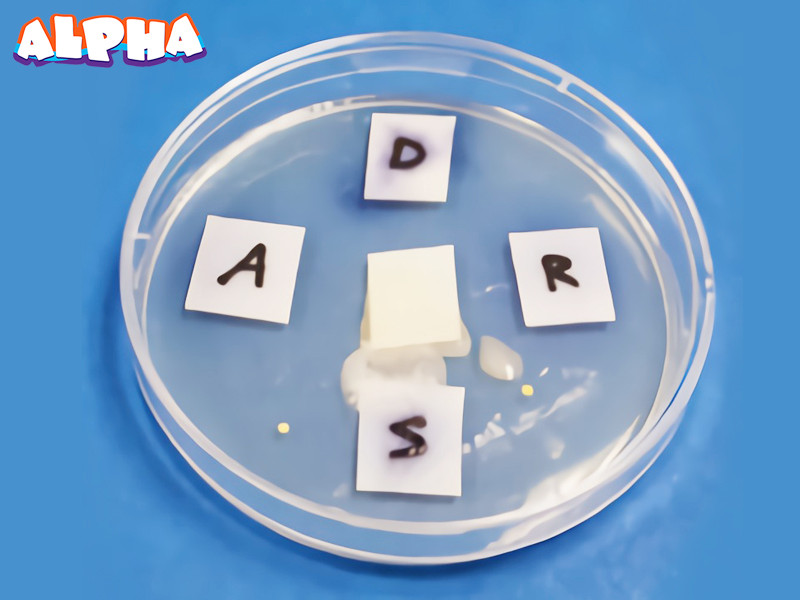
Alpha science classroom: What happened to the science experiments for kids on the antibacterial effects of soap
The rate of bacteria growth in your dishes will depend on temperature and other factors. Check your cultures after a couple of days, but you’ll probably want to wait 5-7 days before recording your data. You will see multiple round dots of growth; these are bacteria colonies. There may be several types of bacteria growing in the dishes. Different types of colonies will have different colors and textures.
Alpha science classroom: Hand washing can prevent the harm of germs
Alpha science toys think kids should count and record the number of bacteria colonies in each dish for each soap test. To see how effective each soap was, divide the number of colonies in the test dish by the number of colonies in the control dish, then subtract the result from 1 and write the answer as a percentage. For example, if your control dish had 100 colonies and your soap test dish had 30, the soap eliminated 70% of the bacteria: 1 — (30 ÷ 100) = .7 = 70%
Alpha science toys let kids know there will be some bacteria on their hands when they touch an object each time. Bacteria can safely live on our skin, but if they enter through our mouths or become infected on cuts or scrapes, they can make us feel uncomfortable. That's one of the reasons why it's so important to wash our hands often.
Alpha science classroom: When should kids wash their hands to prevent the bacteria?
1. Before, during, and after food preparation
2. Before and after coming into contact with a sick person who has vomiting or has diarrhea
3. Before and after treating a cut or wound
4. After using the bathroom
5. After cleaning a child who has used the bathroom
6. After blowing your nose, coughing, or sneezing
7. After coming in contact with an animal, animal feed, or animal waste
8. After touching pet food or pet treats
9. After handling garbage
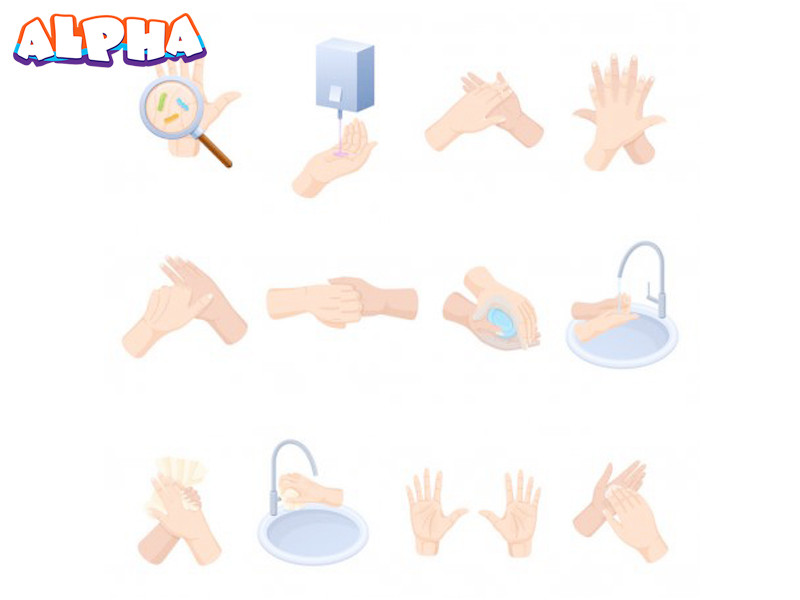
Alpha science classroom:How to properly wash your hands for kids?
1. Turn on the Water: Clean, running water is more important than temperature. Turn on the water and get your hands wet. You can turn the water off or leave it running, depending on your preference. Turning it off saves water, but it will increase the number of times you touch the faucet, which will expose you to germs that are on the faucet handles.
2. Lather Up: Soap is important. It helps lift the germs and microbes off your skin while you wash your hands and make the whole process more effective. Studies have shown that it's no better to use antibacterial soap than regular soap, and the overuse of triclosan, a commonly used ingredient in antibacterial soap, could actually contribute to antibiotic resistance.
3. Scrub for at least 20 Seconds: Most people don't scrub their hands nearly long enough. Twenty seconds doesn't sound like a long time but it is much longer than you would imagine. How do you make sure you are washing the proper amount of time? Sing the Happy Birthday song to yourself (or out loud) twice. Make sure you are completely covering your hands with soap and water. Scrub between your fingers, under your nails, all over your thumbs and up your wrists. There are germs all over your hands, not just on your palms and fingertips.
4. Rinse the Soap (and Germs) Away: Rinsing is ultimately how you get the germs off of your hands, so it's really the most important step. Again, it's important to use clean running water. Dipping your hands in a stagnant pool of water (or even standing water in the sink) is not the same as rinsing the soap off with clean, running water. If all you have is a pool of water—for instance, you are outside and have no access to running water—it is better than nothing and certainly preferable to not washing your hands at all. Many people don't realize that washing your hands doesn't typically kill germs, it is simply the most effective way to get them off of your hands so you don't spread them to yourself or others. Rinsing allows you to wash the germs and microbes away, drastically cutting down the chances that you will spread disease.
5. Dry Your Hands: Using a paper or cloth hand towel, dry your hands completely. If you are using cloth hand towels, they should be washed frequently—especially if they are in a shared household where they could become contaminated easily.
6. Turn Off the Water: If you want to save water, go ahead and turn the water off after you get your hands wet and then on and off again when you need to rinse them. According to the CDC, "While some recommendations include using a paper towel to turn off the faucet after hands have been rinsed, this practice leads to increased use of water and paper towels, and there are no studies to show that it improves health." Use your best judgment here. You also might want to consider using your paper towel to open the bathroom door as you're leaving if you're using a public restroom.
In the end, Alpha science toys wash their hands carefully with kids after doing an antimicrobial soap science experiments for kids to ensure our health. Alpha science toys carefully explain a series of scientific knowledge about the type of bacteria, how to grow and where to put the bacteria, through three courses of bacterial growth science experiment for kids, bacterial inhibitor science experiment for kids and antibacterial soap science experiment for kids. In the face of special disasters around the world, Alpha science toys company hopes that every child can protect themselves well, apply the scientific knowledge they have learned to their lives, avoid being threatened by bacteria, and become the healthiest and smartest scientists.
MORE:https://www.alphasciencetoys.com/
a science classroom: Test the antibacterial effect of soapal effect of soap
Alpha science classroom:how to get rid of bacteria
Bacteria are closely related to human life, since ancient times bacteria and human coexistence and symbiosis, with the development of science and technology, humans also began to understand the species of bacteria, and learned how to eliminate the invasion of human health, Alpha science classroom has taught children how to discover and observe different kinds of bacteria in the last child science experiment about bacteria growth, children have learned the scientific knowledge of bacteria in it? If you don’t know the type of bacteria, you can conduct more science experiments for kids about bacterial growth, so that you can better understand the type of bacteria.
Today, Alpha science classroom for children to do bacteriostatic agents of the science experiments for kids, let the children learn how to wash and inhibit the invasion of bacteria, help children develop good hygiene habits and learn how to kill these pesky bacteria.
Alpha science classroom:What is an antibacterial agent
Alpha science toys will tell people in detail how to stop the growth and spread of bacteria? We control it in two ways: killing bacterial cells and preventing bacteria from breeding. So what are the solutions or methods for children to effectively kill or stop breeding? The science experiments for kids on how to eliminate bacteria in the Alpha science classroom explain these to children.
Alpha science classroom will tell you a variety of ways to kill or prevent bacteria from breeding.
1. Disinfection. Apply heat to kill bacteria. Including incineration (burning), boiling and cooking.
2. Pasteurization. Use mild calories to reduce the number of bacteria in your food.
3. Low temperature. Refrigeration and freezing are the two most commonly used methods in the home to extend the life of food.
4. Chemical methods to kill bacteria:
5. Preservatives. These reagents can be directly applied to living tissue including human skin.
6. Disinfectant. These reagents are not safe for living tissue. Disinfectants are used to clean toilets, sinks, floors, etc.
7. Preservatives. These are used in almost every processed food available today. They inhibit the growth of bacteria in food.
8. Some food preservatives are sodium benzoate, monosodium glutamate (MSG), sulfur dioxide, salt, sugar, and wood smoke.
9. Antibiotics. They kill bacterial cells in the body without harming normal cells. Antibiotics often cure fatal diseases such as scarlet fever. However, they can kill good bacteria as well as bad ones.
10. Amoxicillin and ampicillin-steps to inhibit cell wall synthesis (construction)
11. Penicillin-a step that inhibits cell wall synthesis
12. Erythromycin—Inhibits RNA translation for protein synthesis
13. Fungicides are agents that kill bacterial cells. Electrostatic agents inhibit cell growth and reproduction.
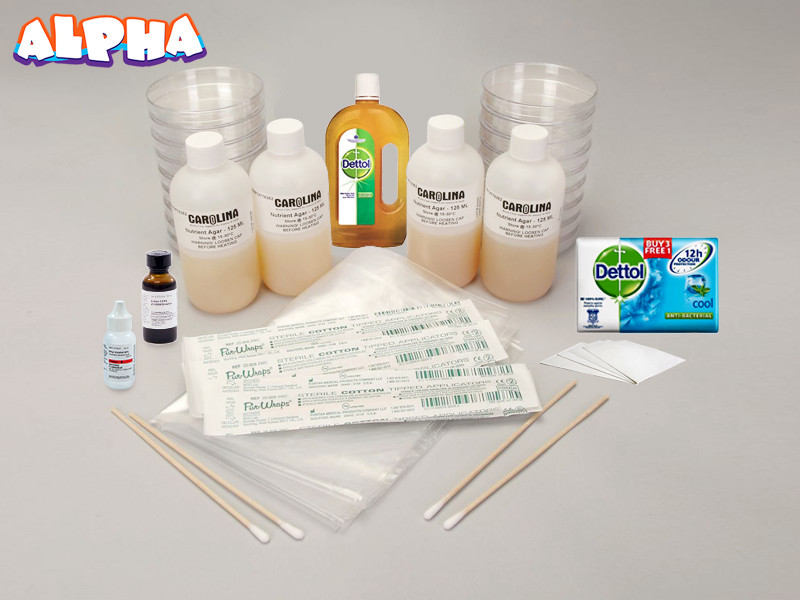
Alpha science toys explain in detail what antibacterial agents are, let's start the science experiments for kids with antimicrobial agents. Children can look for the materials they need at home and observe what kind of antibacterial effects different antimicrobial agents have!
Alpha science classroom:Materials for the science experiments for kids with antibacterial agents
1.Two (or more) Petri dishes
2.Sterile swabs
3.Agar
4.Blotter paper or other absorbent paper
5.Forceps or tweezers
6. Iodine
7. Ethanol
8. Antibacterial soap
9. Preservatives
science experiments for kids with antimicrobial agent: testing antibacterial agents
1.Preparing absorbent paper cubes
Alpha science toys one way to test the antimicrobial effect of a substance is to use a "sensitivity cubes ". Cut small squares of blotting paper (or other absorbent paper) and soak them in any substance to be tested: iodine, ethanol, antibacterial soap, preservatives, etc. Please use clean tweezers to handle the squares so as not to contaminate the sensitive squares. Mark them with permanent ink, soak them in the selected substance, and then dry the excess liquid with paper towels.
2.Collection of bacteria
First of all, children have to determine the source of the bacteria collected. To use a sensitivity square, make sure there is only one light source and keep each petri dish as consistent as possible. Sources may include the kitchen sink, bathroom counter, cell phone or another surface you want to test. Wipe the sterile cotton swabs on the selected surface, then gently wipe them in zigzag shape on the prepared agar dish. rotate the disk and repeat it.
Start the experiment:
1. Alpha science toys for each experiment corresponds to a control dish showing the growth of bacteria under normal conditions, and one or more test dishes that can change some variables and check the results. The variables to be tested are temperature or the presence of preservatives. How does this affect bacterial growth?
2. Then mark a disc as "Control". Then in a test dish, use tweezers to add a sensitive cube that has been soaked in the substance you want to test for antibacterial properties. It is best to add a regular blotting paper square to see if the blotting paper itself has any effect on the growth of bacteria.
3. In order to obtain the best results of this science experiments for kids, use multiple test dishes and control variables so that the conditions of each dish are the same: bacteria collected from the same location, exposed to the same amount of antibacterial substance, Bacteria stored at the same temperature, etc. The more tests performed and the more data the children will collect, the more confident the children will be in the conclusions of the science experiments for kids on antimicrobial.
4. At last, the children put all the Petri dishes in a dark room temperature such as a closet, so that the scientific experiment process of the bacterial child will not be affected by the unstable ambient temperature.
After finishing the above operations, the children still need to wait 3 to 7 days to check the growth of bacteria in the petri dish without removing the lid, because it will affect the final effect. Children will see multiple growth points; these are bacterial colonies. Depending on where your children collect bacterial samples, there may be several types of bacteria (even some mold!) Growing in your dishes. Different types of colonies will have different colors and textures.
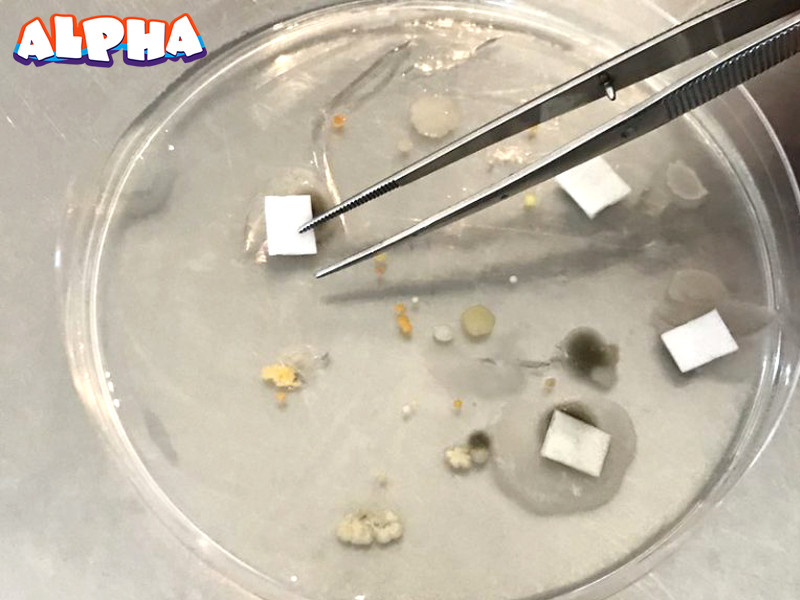
Compare the number of bacteria in the control dish to the number of bacteria in the test dish. Next, compare the amount of bacterial growth around each paper square. Which bacteria grows closest? Which one has the fewest bacteria growing nearby? If you make multiple test disks, do all the test disks have similar results? If not, what variables do you think might lead to different results? How does this affect your conclusion?
After completing the science experiments for kids antibacterial agents, did the children find that the effects of different types of antibacterial agents are different? While waiting for the experimental results, the children must record the changes of bacteria every day, so that we can discover which antibacterial agents are harmful to bacteria. The biggest impact is to be able to tell the father and mother the answer, let them know what different effects of different antibacterial agents have on different bacteria, so we can better eliminate different types of bacteria in the home so that children can learn Knowledge of the science experiments for kids on antibacterials. Let children's health not be threatened by bacteria and grow up healthily and happily.
Today, the science experiments for kids antibacterial in the Alpha science classroom is completed. Let ’s take a look at the antibacterial effect of different soaps in the next class and give the children how to wash and clean their hands in a healthy way.
MORE:https://www.alphasciencetoys.com/
Alpha science classroom: Explore the mysteries of sound
The earth is filled with many wonderful sounds. Music can bring people joy, let us relax the spirit, feel happiness. However, the noise makes us irritable and feel bad. So do children want to know the secrets of sound science? Today, Alpha science classroom is working with children to explore the hidden mysteries of the science of sound with simple science experiments for kids and simple materials.
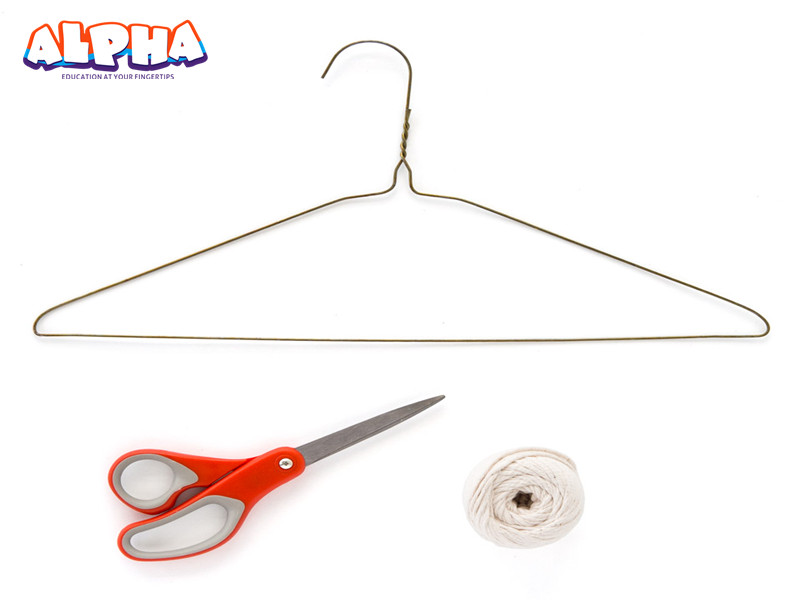
Today’s science experiments for kids are very simple. Children can easily find the materials for the experiment at home. Let Alpha science toys tell you what materials you need to prepare.
Alpha science classroom: Materials for science experiments for kids exploring sound
1.Wire hanger
2.Rope
3.Scissors
Alpha science classroom: Steps of the sound science experiment for kids
Step 1:Tie the hook of a wire hanger to the center of a large piece of string. (About 3 feet long)
Step 2: Wrap the ends of the string around your index fingers.
Step 3: Now put your hands over the openings of your ears while holding the string.
Step 4: Lean over and swing the hanger so that it taps against a table or door. What do you hear?
Alpha science toys’ Observations and Comments:
“It sounds like a bell!” “The hanger got the noise and it went through the hanger and through the string to my ears.” What do kids think about the sound coming into your ears? Alpha science toys work with children to uncover the scientific science of sound.
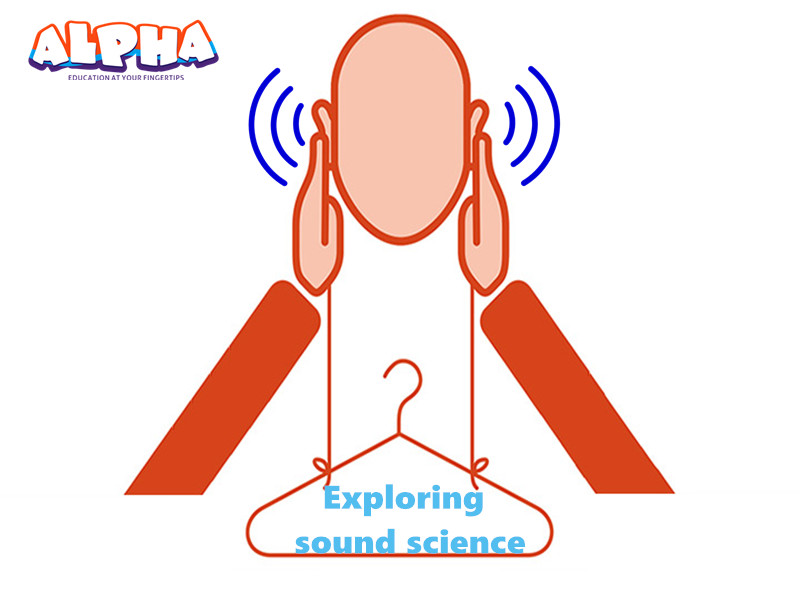
Alpha science classroom: Question to Spark More Curiosity & Critical Thinking
How did it sound? Does banging the hanger against the table sound different if you don’t put the string to your ears? How? How do you think the sound gets to your ears? Alpha science toys work with children to uncover the science secrets of sound.
Alpha science classroom: The hidden mysteries of the science of sound
Do the kids know? Sound waves are created by the vibration of an object (the wire hanger and string). When vibrations hit your eardrum, your brain interprets the vibrations as sound. The sound waves can travel through air, liquids, and solids. When we listen to the hanger hit the table with the string to our ears, the sound waves are traveling through the solid string and hanger. Since sound waves travel more quickly through solids, we hear the sound more clearly. When we bang the hanger without putting the string to our ears, the sound waves are traveling through air to get to our ears making the sound quieter
Do children feel that sound transmission is very cool? Today, Alpha science classrooms and children learn about sound through a science experiments. What are the children waiting for? Come and work with Alpha science toys to make more “instruments” and explore the mysteries of different sounds. Through more science experiments for kids in Alpha science classrooms, we can stimulate children’s creativity and critical thinking in different grades. Let children love music and become great musicians.
MORE:https://www.alphasciencetoys.com/
Alpha science class:Underwater volcanoes“lava lamp”
Dear children, do you know that there is much interesting scientific knowledge in our daily life? For example, they exist in the kitchen, in the process of mom’s cooking. In fact, there are many scientific magics hidden in the kitchen. Now, we can make a lava lamp by the common ingredients in the kitchen. Such as water, vegetable oil, white vinegar, food colorings and so on. Do you want to know how these components can make the lava lamp which like the volcanoes eruption that under the water? Let's learn the principles of volcanoes eruption and basic chemical knowledge together through this kit, explore the mysteries of science!
Now let’s prepare the components that needed by the kit of lava lamp, we Alpha Science Toys will make the beautiful lava lamp with children!
Components:
-
A transparent cup or bottle
-
Red food colorings or the food colorings that you like
-
Vegetable oil
-
Water
-
Baking soda
-
White vinegar
First Step: Pour 1/4 white vinegar into the transparent cup or bottle that you prepared.
Second Step: Add 3 drops of food colorings into the vinegar.
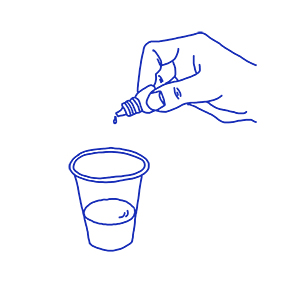
Third Step: Pour 2/3 vegetable oil into the cup, wait a moment until the vegetable oil floats on top of white vinegar.
Fourth Step: Then add the baking soda into it, watch the reaction carefully, what happened? Does the experiment effects like the volcanoes erupt?
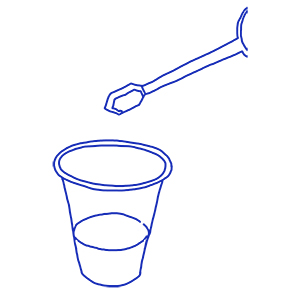
Now, the beautiful lava lamp is finished! There are many red bubbles in the cup that like the magma! These bubbles that like the boiling water churned constantly which like the eruption of the volcanoes. If you want give a better experiment effect for your parents and friends, you just need open the flashlight. Then put the flashlight under the cup, then you can get a marvelous experiment effect!
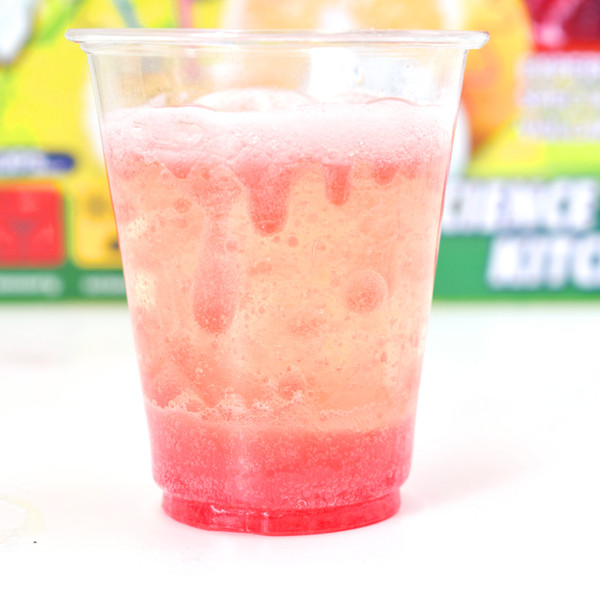
Alpha Science Class-the science secret of this underwater volcano:
The principle of the experiment is based on the reaction of acid and base, when them meet each other, they can generate the carbon dioxide. The food colorings rised up due to the carbon dioxide ,so it looks like the eruption of the volcano. Dear children, do you learn the principles now? Let’s make the lava lamp by yourself and show it for your parents and friends! Of course, you can also choose to buy the complete science kit from our Alpha Science Toys. The kit is Science in the Kitchen. There are many other interesting experiment prepared for you in this kit!
MORE:https://www.alphasciencetoys.com/
Alpha science classroom:Homemade Magic Sand Science Experiment For Kids
Dear children, do you know that there is much interesting scientific knowledge in our daily life? For example, they exist in the kitchen, in the process of mom’s cooking. In fact, there are many scientific magics hidden in the kitchen. Now, we can make a lava lamp by the common ingredients in the kitchen. Such as water, vegetable oil, white vinegar, food colorings and so on. Do you want to know how these components can make the lava lamp which like the volcanoes eruption that under the water? Let's learn the principles of volcanoes eruption and basic chemical knowledge together through this kit, explore the mysteries of science!
Now let’s prepare the components that needed by the kit of lava lamp, we Alpha Science Toys will make the beautiful lava lamp with children!
Components:
-
A transparent cup or bottle
-
Red food colorings or the food colorings that you like
-
Vegetable oil
-
Water
-
Baking soda
-
White vinegar
First Step: Pour 1/4 white vinegar into the transparent cup or bottle that you prepared.
Second Step: Add 3 drops of food colorings into the vinegar.
Third Step: Pour 2/3 vegetable oil into the cup, wait a moment until the vegetable oil floats on top of white vinegar.
Fourth Step: Then add the baking soda into it, watch the reaction carefully, what happened? Does the experiment effects like the volcanoes erupt?
Now, the beautiful lava lamp is finished! There are many red bubbles in the cup that like the magma! These bubbles that like the boiling water churned constantly which like the eruption of the volcanoes. If you want give a better experiment effect for your parents and friends, you just need open the flashlight. Then put the flashlight under the cup, then you can get a marvelous experiment effect!
Alpha Science Class-the science secret of this underwater volcano:
The principle of the experiment is based on the reaction of acid and base, when them meet each other, they can generate the carbon dioxide. The food colorings rised up due to the carbon dioxide ,so it looks like the eruption of the volcano. Dear children, do you learn the principles now? Let’s make the lava lamp by yourself and show it for your parents and friends! Of course, you can also choose to buy the complete science kit from our Alpha Science Toys. The kit is Science in the Kitchen. There are many other interesting experiment prepared for you in this kit!
MORE:https://www.alphasciencetoys.com/
Alpha science class:How to make fun slime toys
The funny and lovely slime is one of the favorite toys for kids. But, dear children, do you know that we can make interesting slime easily at home? Thus, do you want to make the slime by yourself right now? Now, we Alpha Science Toys will tell children how to make the slime that as you like at home!
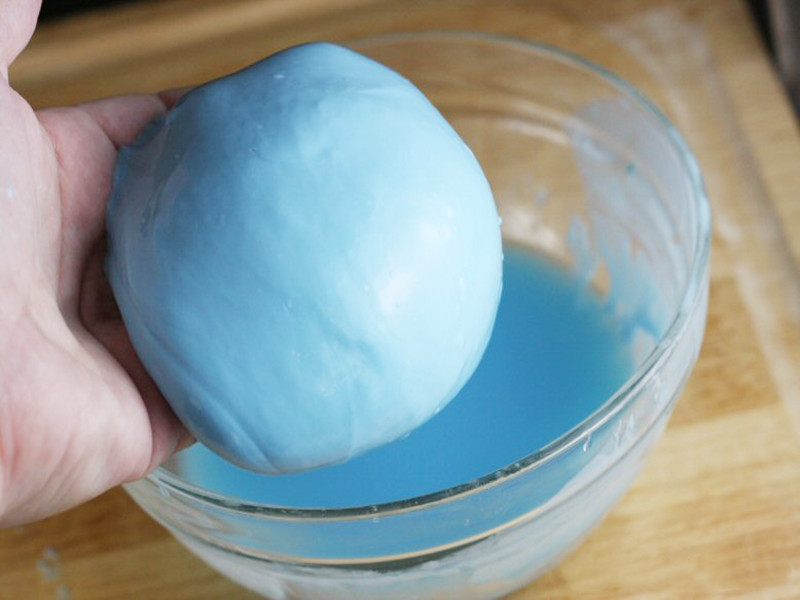
It’s a simple and interesting experiment for kids to make the slime by themselves at home. The interesting experiment process filled with the funny of scientific knowledge which can help children who are naughty enough to focus on the process and enjoy the pleasure. At the same time, children can also add their own ideas while they following the instructions. For example, you can mix the color as you like for different color slime, you can put the glitter into it for a bright slime. This kit not only can help children to learn more scientific knowledge but can help children to exercise their abilities of logical thinking and coordination, and give children a space for their imagination.
With these components, you not only can make the bright and different colors slime but can make the slime with one color and stretch different colors slime into the strip, then rope them together, you can get the beautiful rainbow slime. The finished slime can be a gift for your friend or a decoration for your room. We Alpha Science Toys believe that slime is the best perception toy for kids. Although it's safe for kids, children and parents should remember that the slime cannot to eat.
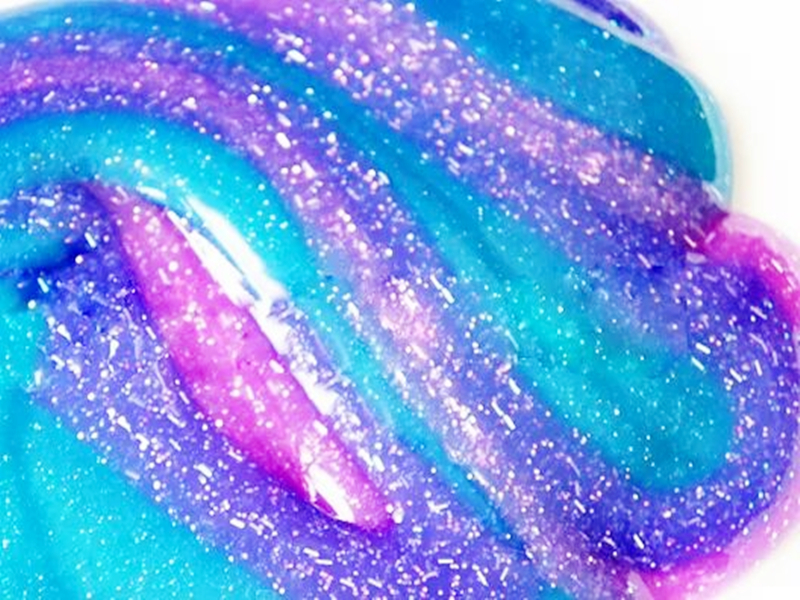
Components that you need
Transparent cup or bottle in 100ml
Small bowl
PVA white glue of 100ml
Stir stick
Spoon
Baking soda
Food colorings
Contact lens care solution
glitter
First Step: Pour a cup of 100ml white glue into the small bowl. Add a half of spoon baking soda into it and stir.
Second Step: Add 2 drops of food colorings into the bowl. The more food colorings you add into, the more vivid color of the slime. And children can also mix the different colorings as you like.
Third Step: Children can also add some contact lens care solution into the bowl, stir it for stickiness, until it becomes a ball. Now, the making process will be finished!
Fourth Step: When the slime in a ball shape, you can take it in hands, then kneaded it by hand back and forth of 30-60s, you can get the beautifully smooth and elasticity slime. If you want to get the bright slime, you can also add some glitters in the slime.
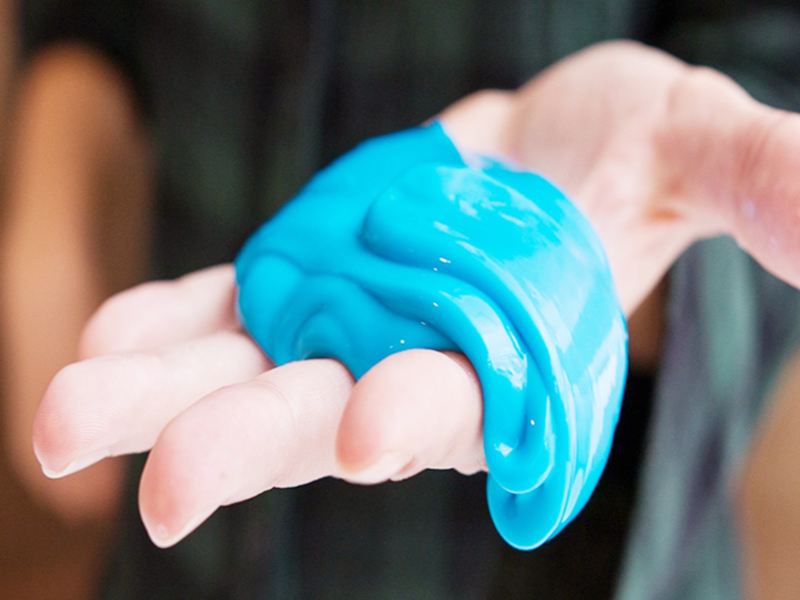
Alpha Science Toys: The principles of diy slime
Through the activities of making slime by themselves of children, they can learn more basic science knowledge. This experiment include the principles of Non-Newtonian fluid and the composition of polymer. At the same time, it can help children to enjoy the pleasure of science and exercise the abilities of perception, coordination and practice. You can also help dad to clear the keyboard by the slime, to be a little scientist at home!
If you want get more funny slime kit, you can buy the Funny Slime kit from Alpha Science Toys, to learn more interesting ways to play!
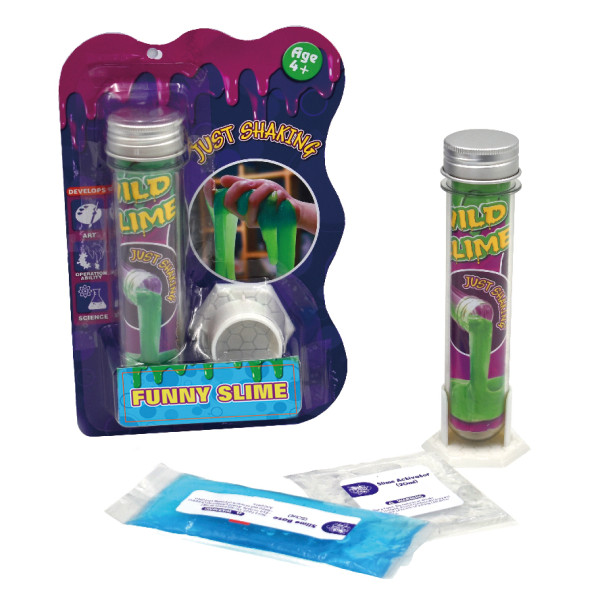
MORE:https://www.alphasciencetoys.com/
Alpha science class:DIY Wonderful Bath Bomb
Have a bath with the bath bombs in the night is the best-anticipated thing for children. These colorful bath bombs with different fragrance will become fizzy when they touched the water. It’s another pleasure moment for children.

Dear children, do you want to make the bath bombs by yourselves? Now, the Alpha Science Class of our Alpha Science Toys will tell you all how can we make the bath bombs at home with our parents! When we learn the important processes of the bath bombs, we can make it by the color and fragrance as we like. The bath bombs made by ourselves can be gifts for our parents and friends. We can enjoy bath time with our parents.
The components prepared for DIY bath bombs:
- 230g Baking Soda
- 120g Epsom salt
- 120g Corn Starch
- 120g Citric Acid
- Large Stir Bowl
- Whisk
- Dried lavender petals
- 60ml Coconut Oil(or Grape Seed Oil, Jasmine Essential Oil)
- 15ml Water
- 4-6 drops food-colorings
- Glass jar
- Plastic Mold

Alpha Science Toys Caution:
Keep away from eyes and mouth when you are using the components for the experiments. After you finish a bath bomb, please put one into the warm water to test in advance, use your hand to touch the water to see if there’s the allergy on your skin. If there’s no allergy, it is safe to use.
If you want to make more colorful bath bombs, you can mix these colors like the following reference to make a new color.
Red+Yellow=Orange
Blue+Red=Purple
Blue+Yellow=Green

The processes of making Bath Bombs
First Step: Put the baking soda, Epsom salt, corn starch, and citric acid into the large stir bowl. Stir them evenly with the whisk and make sure the mixture is clump-free.
Second Step: After mixing these components together, pour the coconut oil, water, and the food-colorings into the bowl. Then continue to stir them quickly. It also needs to stir evenly. Now, the scent is gradually formed.
Third Step: Put these mixtures into the plastic mold that you prepared. The plastic mold needs to fill and compact. Then, take the bath bombs from the mold and put them in a ventilated place for 6-8 hours.
After that, you can get the finished bath bombs. You can try to put the bath bomb into the water to look if it can be fizzy when it touches the water. Then you can enjoy the pleasure of the bath with your parents.
The scientific principles of DIY bath bombs
Now, Alpha Science Toys will tell children the secret of bath bombs. The most important components of bath bombs are two kinds of basic materials-acid and base. It’s a basic reaction of acid and base. The baking soda(Sodium bicarbonate) is a weak base and the citric acid is a weak acid. When they meet each other, they can generate carbon dioxide. That is the reason for fizzy when you put the bath bomb into the water. The corn starch is a kind of inhibitor to control the fierce reaction of acid and base. Do you remember the principle of the experiment underwater volcano? In this experiment, citric acid takes place of the vinegar. The dry citric acid does not react with baking soda. That is the principles of bath bombs. Now, do children learn the chemical knowledge of this bath bombs kit?
Do children want to have more bath bombs with different shapes? Now, you can choose the science kit of Wonderful Bath Bomb Factory of Alpha Science Toys to make more beautiful bath bombs!

Alpha science class: DIY Sugar Crystal toys
In the mean, the like crystals are very common in our lives, such as salt, sugar, snowflake, they are like in the natural and pure beautiful color. Do you want to know how the crystal is grown? Do you want to know that the crystal is grown? Do you want to make a unique sugar crystal that Then let to your own? Then let Alpha science toys uncover the scientific secrets of crystal growth for the children and help the children DIY the most delicious and beautiful sugar crystal.
Alpha science class warning:
The production of beautiful and delicious sugar crystals requires the use of boiled water to dissolve the sugar blocks. Alpha science toys suggest that children complete this interesting scientific experiment under the supervision of the parents to protecting the children's cute little hands from Being hurt!
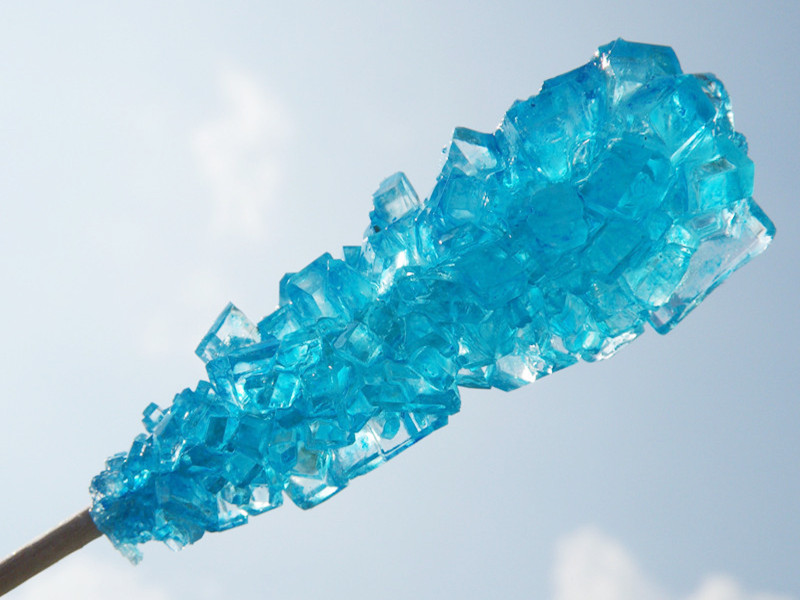
DIY sugar crystal materials:
1.Cup
2.Sugar
3.Hot water
4.Spoon
5.Clip
6.Wood stick
7.Food pigment (choose the color you like)
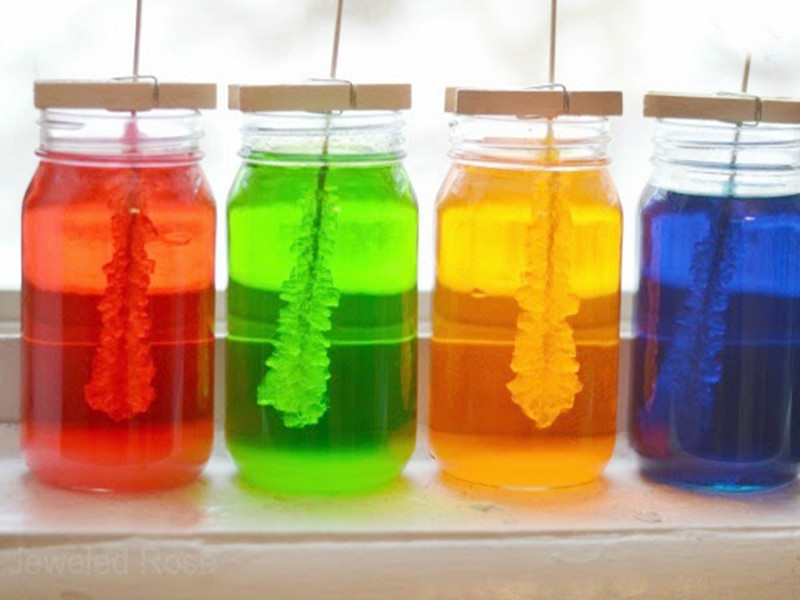
DIY sugar crystal steps:
1. Children must under the help of their parents, put the three teaspoons of white sugar prepared in a pot of boiling water and wait for the sugar to dissolve in the water, or, with the help of their parents to stir up the water in Which put sugar. So that sugar water quickly dissolved in the water and we can safely get their own beautiful sugar crystal!
2.Children can add a few drops of water to the sugar water to make their sugar crystals their favorite color.
3. The water is not dissolved, the children pour the sugar water into the prepared glass cup from the small pot with the help of the parents and the children can put the sugar water in the safe and ventilated place to stand for a day Children need to cover the glass cup with the lid to avoid the dust entering.
4. The children wet the end of a wooden stick prepared with water, dip it in a small amount of dry white sugar, and leave it in a safe, ventilated place to dry for one day.
5. The children put the stick at one end of the dried sugar vertically into the stilted sugar water, fixed the stick with the dry sugar on the cup with clip, and placed it in a safe place of ventilation. (keep in mind that the Stick does not touch the wall of the cup.)
6. Children have to wait patiently for three days, so you'll be surprised to see that a lot of "crystals" are decay growing on the stick. As long as the children keep the stick for longer, there will be more and more Crystals on the stick, so the children can have a happy "magic stick" filled with sugar crystals!
Principles of Alpha science class DIY sugar crystal science:
Alpha science toys uncover the science of sugar crystals for children. One substance (solute) disperse into another substance (solvent) and it forms into solution, this process called dissolving. In the activity of making sugar crystal, the sugar is the solute, and The water is the solvent, the solution we finally got is the sugar water solution. The hot saturated solution becomes cold, and the solute becomes crystals, this process which the solute forms into crystals is called crystallization. Kids, do you understand how sugar crystals Grow? Go with Mom and Dad to make some of your favorite sugar crystals!
If the kids want to make more colorful and beautiful candy crystals? Do you want to know more interesting scientific knowledge? Please use Alpha science toys Recyclable Science toy kit to explore more scientific fun with your parents.
MORE:www.Alphasciencetoys.com


